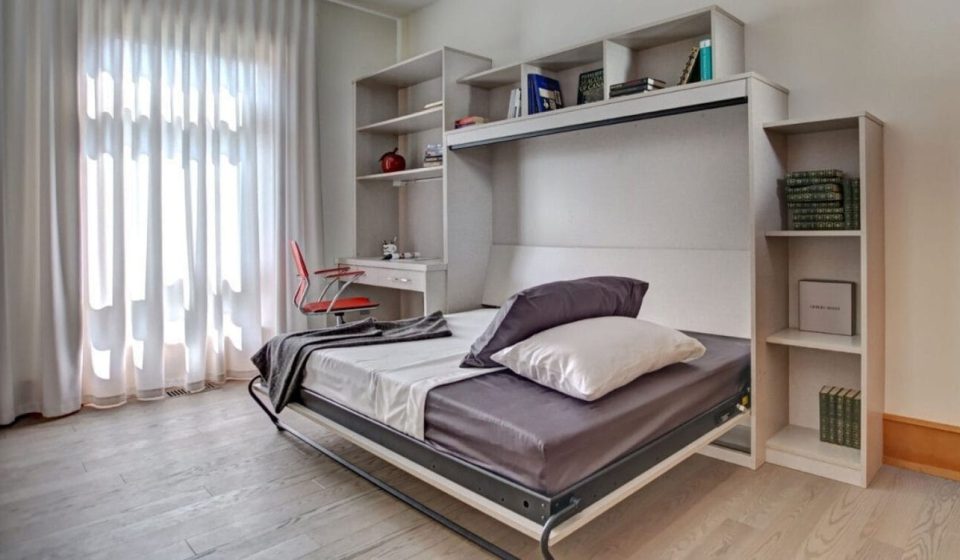

A teen’s room can turn into a study zone, sleep space, closet overflow, gaming corner, and emotional retreat before breakfast. That is why Murphy bed installation makes sense for families trying to give a growing kid more room without moving walls or buying a bigger house. In many American homes, especially townhomes, older ranch houses, and newer builds with smaller bedrooms, floor space has become the quiet luxury parents notice too late. A bed that folds away does not solve every storage problem, but it changes the room’s daily rhythm fast.
The real value is not only square footage. It is choice. A teen can open the room for homework, workouts, music practice, or friends, then bring the bed down when the day ends. Parents get a cleaner layout, safer traffic flow, and fewer arguments about a room that feels cramped before anyone even uses it. For more home planning ideas that help families make smarter space decisions, modern home improvement guidance can support the bigger picture beyond one bedroom project. The trick is getting the setup right from the start.
Murphy Bed Installation Planning for a Teen Room That Actually Works
A fold-down bed fails when parents treat it like a furniture purchase instead of a room planning decision. Teen bedrooms carry more personal habits than guest rooms, so the layout has to respect how your child studies, charges devices, stores clothes, and moves when half-awake on a school morning. Good planning prevents the bed from becoming another expensive thing nobody wants to fold up.
Measure the Room Around Real Teen Habits
Accurate measuring starts with the bed open, not closed. Many families look at the cabinet depth and think they have plenty of room, then discover the open bed blocks closet doors, dresser drawers, or the only comfortable path to the window. A twin-size wall bed may fit on paper, but daily use exposes every lazy measurement.
A smarter approach is to tape the open-bed footprint on the floor before buying anything. Mark the swing path, the walking lane, and the space needed to pull the bed down safely. In a 10-by-11-foot bedroom in a typical U.S. suburban home, that tape outline can reveal whether the bed belongs on the long wall, beside the closet, or inside a custom storage run.
Teen behavior matters more than showroom symmetry. A student who studies late needs the desk outside the bed’s landing zone. A kid with sports gear needs a drop zone that stays reachable even when the bed is open. A room that works at 7 p.m. but fails at 6:30 a.m. is not flexible. It is staged.
Choose the Right Wall Before Choosing the Bed
The strongest-looking wall is not always the correct wall. A Murphy bed needs solid anchoring, clear floor space, and a location that does not make the room feel like a hallway with a mattress attached. Older homes may have uneven studs, plaster walls, baseboard heat, or outlets exactly where the cabinet wants to sit.
Stud location should guide the decision early. Most wall beds must attach to framing, not drywall alone, because the movement of the bed creates repeated stress over time. Parents sometimes assume the floor carries the load, but the wall connection keeps the unit stable when a teenager pulls it down with one hand while holding a backpack in the other.
Window placement also deserves respect. Placing a bed too close to curtains can create annoying fabric snags, blocked natural light, or an awkward sleeping position beside cold glass during winter. A wall that looks unused may still be doing quiet work for light, airflow, and comfort. Do not steal that function without replacing it somewhere else.
Built-In Storage and Study Zones Make the Bed Worth It
Saving space is only the first win. The better win is using the freed floor area for something the teen needs every day. A Murphy bed without storage or a work zone can feel like a magic trick with no second act. A complete room plan turns the folded bed into part of a larger system.
Small Space Bedroom Ideas That Add Daily Function
The best small space bedroom ideas do not cram more furniture into the room. They make fewer pieces do more jobs. A wall bed with side cabinets can hold books, folded clothes, school supplies, and charging cords without requiring a separate bookshelf or bulky nightstand. That matters in rooms where every extra item steals walking space.
Open shelving should stay limited and intentional. Teens already collect visual clutter through trophies, headphones, skincare, hats, books, and half-finished projects. Closed storage gives the room breathing room, while one or two open shelves let the space still feel personal. Too much open shelving turns flexibility into display pressure.
A built-in desk beside the bed can work well, but only when the desk remains usable while the bed is down. Some fold-down systems include desks that stay level as the bed opens, yet those designs need careful weight limits and realistic expectations. A teen who uses multiple screens, textbooks, and art supplies may need a fixed desk instead.
Teen Room Storage Needs a System, Not More Bins
Teen room storage succeeds when each category has a home. Laundry needs one landing spot. School items need another. Hobby gear needs a place that does not fight with daily clothing. Random bins often look helpful on purchase day, then become mystery boxes by the second week.
Vertical storage helps because wall space often remains unused above sitting height. Tall side cabinets, over-bed shelving, and shallow wall hooks can carry more than a low dresser without eating the center of the room. In a small bedroom, the floor should stay as open as possible because open floor is what makes the Murphy bed feel worthwhile.
A real-world example is a teen who plays soccer and shares a hallway bathroom. Cleats, backpack, towels, and clothes can swallow a room faster than the bed itself. A cabinet tower with a hamper, shoe cubby, and school shelf solves more than a pretty floating shelf ever could. Storage has to match the mess the room actually produces.
Safety, Anchoring, and Hardware Decisions Parents Should Not Rush
The wall bed is moving furniture with weight, tension, and daily handling. That does not mean it is dangerous by default, but it does mean shortcuts are a bad bargain. Parents should think about installation the way they think about bunk beds, stair rails, or garage storage racks. The hidden hardware matters because the user is a teenager, not a careful showroom employee.
Safe Murphy Bed Setup Starts Inside the Wall
A safe Murphy bed setup begins with finding studs correctly and using the hardware recommended by the manufacturer. Drywall anchors alone are not enough for most full wall-bed systems. Even when the unit rests on the floor, the top connection prevents tipping and controls movement during opening and closing.
Some homes complicate the job. Metal studs, older plaster, concrete block walls, and walls with hidden plumbing can change the installation method. A basement bedroom in Chicago may not behave like a new drywall room in Phoenix. That is why parents should read the instructions before buying, not after the boxes are open in the hallway.
Professional help is worth considering when the wall structure is uncertain. The cost can feel annoying at first, but a poorly anchored bed is not the place to save money. A handyman or carpenter who understands framing can also correct baseboard conflicts, uneven floors, and trim gaps that make the finished unit look cheap.
Hardware Quality Changes How Teens Use the Bed
Cheap mechanisms make the bed feel like a chore. Heavy lifting, jerky movement, or awkward handles will train a teenager to leave the bed down all day. That defeats the entire point. Smooth pistons or spring systems matter because the bed has to feel easy on a tired school night.
Weight ratings deserve careful reading. The mattress type, mattress thickness, and bedding weight all affect how the mechanism moves. A deep hybrid mattress may feel comfortable, but it may exceed the system’s limits or prevent the cabinet from closing properly. A thinner mattress can work better if it still supports real sleep.
Handles, legs, and locking features should also match the teen’s daily habits. A handle placed too high can be awkward for a shorter teen. Legs that must be folded manually may get skipped when friends are over. Small frictions become big habits. Good hardware removes those frictions before they become family arguments.
Style Choices That Keep the Bedroom From Feeling Like a Guest Room
Teen bedrooms need identity. A Murphy bed can accidentally make the space feel like a rental studio or spare room if the design ignores color, texture, and personal display. The goal is not to hide the teen’s life behind cabinet doors. The goal is to give that life more room to happen.
Flexible Teen Furniture Should Match Personality and Growth
Flexible teen furniture works best when it does not look childish after two years. Parents often buy around the current age, then regret the theme when high school starts. Neutral cabinet finishes, simple hardware, and changeable bedding give the room a longer life without making it dull.
Color can come from easier-to-change pieces. A rug, chair, pinboard, lamp, or bedding set can carry personality without locking the entire room into one phase. A 13-year-old may love bold colors now and want calmer tones by junior year. Built-ins should stay steady while the surface layer evolves.
This is where restraint helps. A wall bed already has visual weight, so adding heavy patterns to every surface can make the room feel busy even when the floor is clear. One strong wall color, one texture, and a few personal items often do more than a full theme. Teens need ownership, not decoration overload.
Lighting and Layout Decide Whether the Room Feels Open
Lighting can make or break a small bedroom with a wall bed. Overhead lighting alone creates flat shadows and makes the folded bed cabinet feel larger. Layered lighting around the desk, reading area, and closet helps the room shift between study mode, sleep mode, and relaxed downtime.
Wall-mounted lights near the bed can replace nightstands, but placement must avoid the bed’s movement path. LED strips under shelves can help with homework or display without taking floor space. A plug-in sconce may work for renters or families who do not want electrical work, though cords need clean routing for safety.
The open floor should feel intentional, not empty. A small chair, soft rug, or floor cushion can give the teen a place to sit when the bed is closed. That flexible zone becomes the room’s secret strength. With the right layout, Murphy bed installation stops being about hiding a mattress and starts being about giving a teenager a room that can keep up.
Budget, Installation Timing, and Long-Term Value
A wall bed project costs more than a basic bed frame, so the decision should come with a clear reason. The value shows up when the room gains enough function to avoid a remodel, a room swap, or constant furniture replacement. Parents should price the project as a space upgrade, not only as a bed purchase.
Compare DIY Kits, Semi-Custom Units, and Built-Ins
DIY kits appeal to families who want savings and have the tools, patience, and wall knowledge to do the work correctly. Many kits arrive in heavy boxes with detailed steps, and assembly can take longer than expected. The hidden cost is time, especially when the room has to be emptied, measured again, and adjusted around trim.
Semi-custom units offer a middle path. They may include side cabinets, finish choices, and better hardware without the cost of full carpentry. This option suits many American families who want a cleaner final look but do not need a cabinetmaker designing every inch.
Fully built-in systems cost more, but they can solve awkward rooms better. Sloped ceilings, odd closet placement, and narrow walls often need custom thinking. A carpenter can blend the bed into existing trim, add storage that fits the teen’s actual belongings, and make the whole room feel planned instead of patched together.
Think Beyond the First Year of Use
A teen room changes fast. Freshman year may revolve around gaming and school supplies. Senior year may demand college storage boxes, workout gear, and a calmer study setup. A good Murphy bed layout should survive those shifts without needing a full redesign.
Resale value is another quiet factor. A well-installed wall bed can make a small bedroom look more useful to future buyers, especially in homes where a third bedroom feels tight. It can suggest a guest room, study room, hobby room, or teen room depending on the buyer’s needs. Poor installation, though, does the opposite. It looks like a problem bolted to the wall.
Parents should also plan maintenance. Check fasteners, moving parts, cabinet alignment, and leg hardware every few months during the first year. Teens are not gentle with furniture during busy weeks. A five-minute inspection can catch loose screws before they become damage.
A teen bedroom should not feel like a storage unit with a mattress squeezed into it. The best designs respect sleep, school, privacy, and movement at the same time. Murphy bed installation gives families a practical way to reclaim space, but only when the planning is honest about how teenagers live. Measure the real room, anchor the bed correctly, choose hardware that feels easy, and build storage around actual habits. Start with the wall and the daily routine before you choose the cabinet finish, because the smartest room is the one your teen can use without thinking twice.
Frequently Asked Questions
Is a Murphy bed safe for a teen bedroom?
Yes, it can be safe when it is anchored into proper wall framing and installed according to the manufacturer’s instructions. Safety depends on solid attachment, correct mattress weight, smooth hardware, and regular checks. Avoid drywall-only mounting unless the product specifically allows it.
What size Murphy bed works best for a small teen room?
A twin or full size usually works best, depending on the room width and open-floor clearance. A twin leaves more activity space, while a full offers better sleep comfort for older teens. Tape the open-bed footprint before choosing.
Can a Murphy bed fit in a room with a desk?
Yes, but the desk must stay clear of the bed’s swing path. Some systems include attached desks, while others work better with a separate fixed desk. The key is making study space usable whether the bed is open or closed.
How much clearance does a wall bed need when open?
Clearance depends on bed size and cabinet design, but the open bed usually needs several feet from the wall into the room. Leave walking space around the sides and foot. Always check the product dimensions before buying.
Should parents install a Murphy bed themselves?
DIY installation can work for skilled homeowners with proper tools and framing knowledge. Professional installation is smarter when walls have metal studs, plaster, concrete, uneven floors, or unknown utilities. A secure mount matters more than saving labor cost.
What mattress type works with a Murphy bed?
Most wall beds require a mattress within a specific thickness and weight range. Many foam or thinner hybrid mattresses work well. Extra-thick pillow-top mattresses may prevent closing or strain the mechanism, so check the manufacturer’s limits first.
How can a teen keep a Murphy bed room organized?
Built-in cabinets, closed storage, wall hooks, and a clear laundry zone help most. The goal is fewer loose items on the floor. A wall bed only creates flexibility when the room has a simple system for daily clutter.
Does a Murphy bed add value to a small bedroom?
It can add practical value by turning one room into a sleep space, study area, and hangout zone. Buyers may also see a tight bedroom as more useful. Quality installation and clean design matter more than the bed itself.