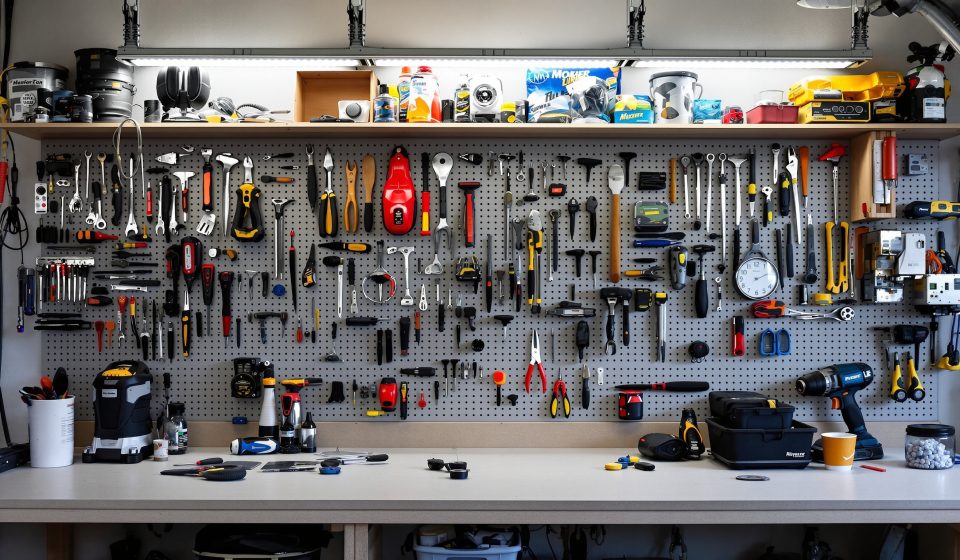

A garage can turn against you faster than any room in the house. One loose extension cord, one buried wrench, one saw set on a shaky folding table, and a Saturday project becomes a trip to urgent care. A smart garage workshop layout gives every tool, surface, and walkway a clear job before clutter starts making decisions for you.
Most American garages already carry too much pressure. They hold cars, bikes, paint cans, holiday bins, lawn gear, and the half-finished project nobody wants to name. That is why smart planning matters more than buying another cabinet. For homeowners comparing practical home improvement choices, useful home planning guides can help connect everyday upgrades with safer, better spaces. The goal is not a showroom garage. The goal is a workshop where you can grab the right tool, move without tripping, and finish work without fighting the room.
Garage Workshop Layout Starts With Zones, Not Walls
A good shop begins by deciding what happens where. Too many homeowners start with storage products, then wonder why the room still feels hard to use. Zones solve that problem because they match the garage to real behavior. Cutting, assembly, tool storage, finishing, cleaning, and parking all need their own territory.
How to Plan a Small Garage Workbench Without Crowding the Bay
A small garage workbench should sit where it supports the work instead of blocking the garage’s main purpose. In many U.S. homes, that means placing it along a side wall near outlets, not across the back where it traps bikes, mowers, and seasonal bins behind it. A bench that looks generous in an empty garage can feel hostile once a car, trash cans, and a wet snow shovel enter the picture.
Depth matters more than width in tight spaces. A 24-inch-deep bench often works better than a bulky 36-inch surface because it leaves more room to turn, carry plywood, or open a car door. That extra foot of walking room feels invisible on paper, then priceless when you are holding a circular saw in one hand and a board in the other.
The counterintuitive move is to keep the bench slightly smaller than your ego wants. Big benches invite piles. A modest bench forces decisions, and decisions keep the work area alive.
Where Garage Tool Storage Should Sit Around the Work Zone
Garage tool storage should follow hand movement, not wall availability. If screwdrivers, clamps, drill bits, tape measures, and safety glasses are stored across the room, you will stop putting them back. The layout has already failed at that point. Good storage lives close enough that cleanup feels easier than neglect.
Wall-mounted panels, shallow drawers, and labeled bins work best near the bench because they reduce search time. Heavy tools belong low. Sharp tools need fixed homes. Tiny parts need containers you can open with one hand. A California homeowner building planter boxes every spring needs fast access to clamps and sanding blocks, while someone in Michigan repairing snowblower parts needs space for sockets, oil, gloves, and rags.
A garage does not become organized because it owns organizers. It becomes organized when the most common tool path is also the easiest path.
Build Tool Access Around Reach, Weight, and Frequency
After the main zones are clear, the next problem is friction. Friction is the tiny delay that makes you set something down “for now.” It shows up as a drill stored behind paint cans, clamps stacked in a milk crate, or a ladder hung so high that nobody wants to reach it. Tool access improves when the room respects how often you touch each item.
Why Power Tool Organization Belongs Near Power, Not Shelves
Power tool organization works best near charging, dust control, and the bench surface. A drill shelf on the opposite wall may look tidy, but it breaks the work rhythm. Batteries need charging. Bits need sorting. Tools need a landing zone where they can cool, rest, and return home without becoming clutter.
A smart setup might place cordless tools in a wall cabinet above a charging strip, with bits and batteries in shallow drawers below. Corded saws can live on lower shelves near the cutting area, not above shoulder height. The point is simple: tools that carry weight, heat, cords, or blades should not require awkward lifting.
The unexpected lesson is that display storage can slow you down. A perfect tool wall looks great online, but if every item hangs by exact outline, you may avoid using it because cleanup feels fussy. Real shops need order that survives tired hands.
What Should Stay Within Arm’s Reach?
The closest zone should hold the tools you touch during almost every project. Tape measure, pencil, square, utility knife, hearing protection, eye protection, drill, driver bits, clamps, and a small trash bin deserve premium space. If you use something ten times in an hour, do not make yourself walk ten times.
Less-used tools can move farther away without hurting workflow. Tile tools, paint sprayers, specialty pullers, and seasonal equipment can live in higher cabinets or labeled totes. That separation keeps daily work clean while still protecting investments you may need later.
This is where garage tool storage becomes personal. A woodworker, bike mechanic, and weekend furniture flipper do not need the same front-row tools. The best layout admits what you do most, then builds around that truth without apology.
Protect Movement Paths Before Adding More Storage
Storage can become a trap when it eats the floor. Homeowners often add shelves to solve clutter, but the added depth steals walking room, turning the garage into a narrow maze. Safe movement should come before another cabinet, because every project needs carrying space, turning space, and escape space.
How to Keep Long Boards and Ladders From Stealing Floor Space
Long items create chaos because they rarely fit normal shelves. Lumber, trim, ladders, pipes, and garden stakes lean into walkways unless you give them a strict place. Wall racks work well when they sit high enough to clear movement but low enough that loading stays safe. Ceiling racks can help too, but only for items you do not handle every week.
A Texas homeowner who stores fence boards, fishing rods, and a ladder in the same corner needs vertical sorting, not one crowded pile. Lumber can sit on horizontal wall brackets. The ladder can hang on wide hooks. Rods and narrow material can slide into a capped tube or shallow rack. Each item leaves the floor, and the walking path returns.
The hidden win is mental. A clear path makes the garage feel larger without adding a single square foot.
Why Floor Clearance Beats Extra Cabinets
Floor clearance gives you options. It lets you roll out a mower, carry a sheet of plywood, sweep sawdust, or move a project when the weather changes. Cabinets offer storage, but too many base cabinets turn the garage into a kitchen with worse lighting and heavier objects.
Wall shelves, pegboards, French cleats, and rolling carts often beat fixed cabinets because they adapt. A rolling cart can park beside the bench during a repair, then tuck away when the car returns. That flexibility matters in two-car garages that only behave like workshops on weekends.
Small garage workbench planning also depends on this idea. Leave enough open floor in front of the bench so your stance feels natural. If you must twist sideways to cut, clamp, or sand, the layout is costing you comfort and safety every time you work.
Turn Safety Systems Into Everyday Habits
Safety fails when it feels separate from the work. A first-aid kit buried in a cabinet, goggles sitting across the room, and a fire extinguisher hidden behind storage bins are technically present but practically useless. A strong workshop safety setup puts protection where your hands already go.
What Makes a Workshop Safety Setup Work on Busy Weekends?
A workshop safety setup should be visible, reachable, and boringly easy to use. Eye protection belongs near cutting and drilling areas. Hearing protection should hang where saws and sanders start. Gloves need a dry place near finishing products, not tossed into a drawer with screws and old receipts.
Fire safety deserves more respect than it gets in many garages. Paint, solvents, oily rags, sawdust, batteries, and extension cords can all share the same room. That does not mean panic is needed. It means flammable products need sealed containers, oily rags need proper disposal, and a suitable fire extinguisher should stay near an exit path, not deep inside the work zone.
The best safety choice is often the least dramatic one. Put the protection between you and the mistake before the mistake has a chance to happen.
How Lighting and Power Shape Safer DIY Work
Bad lighting makes careful people sloppy. A single garage ceiling bulb throws shadows exactly where you need detail, especially around saw blades, fasteners, and layout marks. Bright overhead lighting paired with task lighting at the bench makes measuring cleaner and reduces the urge to lean too close.
Power needs the same discipline. Extension cords should support work, not snake across walking paths. Wall-mounted cord reels, outlet strips with safe mounting, and planned charging stations reduce trip points. For electrical changes, many U.S. homeowners should call a licensed electrician, especially when adding outlets, circuits, or garage-rated protection near damp floors.
Power tool organization connects back to safety here. Tools stored near proper power sources are less likely to run through tangled cords or overloaded strips. The room works better when electricity has a plan instead of becoming an afterthought.
Design the Garage to Reset Itself After Every Project
A workshop that takes an hour to clean will not stay clean. People are tired at the end of a project. They want the sawdust gone, the tools off the bench, and the car back inside before dinner. The best design accepts that reality and makes reset almost automatic.
Why Cleanup Stations Matter More Than Extra Shelves
Cleanup needs its own zone because dust and scraps spread faster than tools. A shop vacuum, broom, dustpan, trash can, and scrap bin should sit close to the messiest work area. If they are easy to reach, cleanup happens in small passes instead of one miserable final battle.
Scrap storage should be honest. Keep useful offcuts in one limited bin and throw away pieces that are too small, warped, or damaged. Many garages lose entire corners to “maybe someday” wood. Someday rarely comes, and the pile keeps collecting screws, dust, and regret.
A small wall-mounted checklist can help without feeling childish. Turn off chargers. Empty trash. Clear bench. Sweep path. Return blades and bits. The list matters because fatigue makes smart people careless.
How to Leave the Garage Ready for the Next Project
The final layout test happens the next time you walk in. If the bench is clear, the cords are coiled, and the tools are visible, the garage invites work. If the first task is cleaning yesterday’s mess, the next project already feels heavier than it should.
Use parking positions for rolling carts, saw stands, vacuums, and stools. Marking these spots with simple floor tape can feel odd at first, but it removes debate. The cart goes there. The vacuum returns there. The path stays open. No speech needed.
A strong garage workshop layout does more than store tools; it protects your patience. It gives you a room where safety is easy, access feels natural, and every project starts with less resistance. Start with one wall, one bench, and one honest cleanup system today. Build the shop you will still want to use when the project runs long.
Frequently Asked Questions
What is the best garage workshop layout for a two-car garage?
Place the main bench along a side wall, keep the center open for vehicles or large projects, and store heavy tools low. Use rolling carts for flexible work support. This setup protects parking space while giving you a real work zone.
How much space do I need around a garage workbench?
Leave at least 36 inches of clear space in front of the bench when possible. More is better for cutting, sanding, and moving boards. Tight space leads to awkward posture, blocked drawers, and unsafe tool handling.
How do I organize power tools in a garage workshop?
Store cordless tools near chargers, batteries, bits, and the bench. Keep heavier corded tools on lower shelves near the work area. Avoid high shelves for saws or grinders because lifting them down increases risk and slows work.
What tools should be closest to my workbench?
Keep your tape measure, square, pencil, utility knife, clamps, drill, driver bits, safety glasses, and hearing protection close. These items support most tasks, so storing them within reach saves time and reduces clutter.
How can I make a small garage workshop safer?
Clear the walking path first, improve lighting, manage cords, and store sharp or heavy tools securely. Keep safety gear visible. A small garage becomes safer when every item has a fixed place and the floor stays open.
Should garage storage be on walls or the ceiling?
Wall storage is better for tools and items used often. Ceiling storage works for seasonal bins, lightweight materials, and rarely used items. Avoid storing heavy objects overhead if lifting them down feels risky or awkward.
Where should I put a fire extinguisher in a garage workshop?
Place it near an exit, not deep inside the work area. You need to reach it while moving away from danger. Keep it visible, unblocked, and suited to common garage risks such as wood, flammable liquids, and electrical equipment.
How do I keep my garage workshop clean after projects?
Create a cleanup station near the messiest zone with a shop vacuum, broom, trash can, and scrap bin. Limit saved offcuts to one container. Clear the bench after every session so the next project starts without cleanup first.