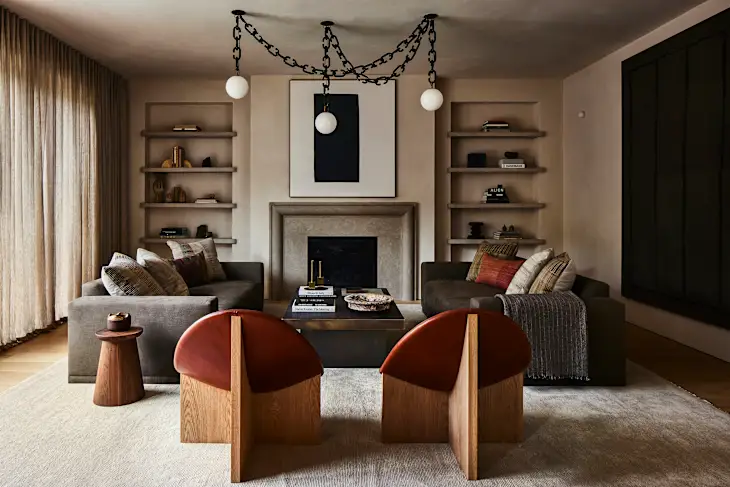

Your home starts talking before you do. It tells people whether you rush through your days, whether you notice detail, whether comfort matters to you, and whether you know the difference between filling a room and giving it a point. The good news is that interior spaces do not need a mansion budget or a designer surname to feel polished. They need taste, restraint, and a little nerve. Most rooms look off for the same reason outfits do: too much trying, not enough editing. You buy one more chair, one more lamp, one more “cute” basket, and suddenly the place feels crowded instead of calm. I have seen tiny apartments feel richer than oversized houses simply because someone made sharper choices. That is the real trick. Elegant styling is not about making a room look expensive. It is about making it feel settled, intentional, and easy to live in. When you get that balance right, your home stops feeling like a storage unit with better lighting and starts feeling like a place that understands you.
Start With Shape, Not Stuff
Most people begin with objects because objects are fun. That is also how they end up with rooms that fight themselves. A beautiful space starts with shape: where your eye lands, how your body moves, and what the room asks you to do the second you walk in. Before you buy anything new, study the bones you already have. The smartest home style tips often sound almost boring at first, but they save you from loud mistakes later.
Let the room tell you its job
A room feels elegant when it knows what it is. That sounds obvious, yet plenty of homes ask one area to act as dining room, office, reading corner, gym, and dumping ground for unopened parcels. No room wins that battle. Pick the main job first, then make every major choice serve it.
A living room in a city flat, for example, may need to handle guests, late-night streaming, and weekend naps. Fine. But it still needs one lead role. If conversation matters most, turn seating toward each other instead of toward the television like obedient soldiers. That single move changes the mood fast.
Function gives style its spine. Once a room has a clear purpose, every rug, side table, and lamp starts making sense. Without that clarity, even expensive pieces look as if they arrived by accident and decided to stay.
Build a visual anchor that earns attention
Every elegant room needs a center of gravity. Not six. One. That anchor might be a deep olive sofa, a large artwork, a marble dining table, or even a dramatically framed window. The point is to create something worth noticing so the rest of the room can support it instead of shouting over it.
I once saw a narrow sitting room transformed by a single oversized linen headboard repurposed as a wall panel behind a bench. The space had cheap flooring and average paint, but your eye went straight to that soft architectural moment. It felt designed because it had hierarchy.
Rooms without anchors feel nervous. They scan like a sentence with no punctuation. Give the eye somewhere to land, and the whole space looks calmer, smarter, and more expensive than it really is. That is not magic. It is order.
Use negative space like it costs money
Empty space makes people uneasy, so they rush to fill it. Big mistake. In elegant rooms, space is not wasted; it is doing quiet work. It lets shapes breathe, sharpens contrast, and gives your best pieces more authority. A chest of drawers with clear wall space around it looks deliberate. The same chest crammed between a ladder shelf and a giant plant looks apologetic.
This matters even more in small homes. You are not trying to squeeze value from every inch like a suitcase. You are trying to create relief. Leave a corner open. Let one wall stay simple. Keep surfaces from turning into little museums of impulse buying.
Restraint reads as confidence. Clutter reads as doubt. When you stop decorating every square foot, the room stops begging for approval and starts acting like it already has it.
Color Creates Mood Before Furniture Does
People love to obsess over sofas and forget that color controls the emotional weather of a room long before furniture gets a chance. You can put decent furniture in a poor palette and end up with a space that feels unsettled. Get the palette right, though, and even modest pieces begin to look well chosen. Color is where elegance either grows up or falls apart.
Choose fewer colors and give them room
The fastest path to a polished room is a tighter palette. Not a dull one. A tighter one. Limit yourself to two main tones and one accent that actually deserves to be there. That might mean warm white walls, walnut wood, and a dusty blue chair, or charcoal upholstery, oat textiles, and brass details. The mix matters less than the discipline.
Too many colors make a room feel chatty. Elegant spaces know when to stop talking. If every cushion, throw, and vase introduces a new shade, the room never settles. You want rhythm, not noise.
This is where people ignore the best home style tips and then wonder why their home looks restless. A focused palette lets materials speak, helps light travel better, and makes styling feel intentional instead of improvised.
Treat neutrals like ingredients, not default settings
Neutral does not mean lifeless. It means you need to pay attention. White, cream, taupe, stone, sand, mushroom, putty, and greige all carry different temperatures and moods. Mix them carelessly and the room looks flat or muddy. Mix them well and the space feels layered, soft, and quietly rich.
Think about a hotel lounge that makes you want to sit longer than planned. Often the color story is almost whisper-level, yet the room still feels deep because the tones shift slightly from wall to curtain to upholstery to rug. Nothing screams, but nothing disappears either.
The trick is contrast through undertone and texture, not through random color jumps. A creamy boucle chair beside a cool grey floor can feel wrong. A warm limestone wall beside smoked oak and flax linen feels composed. Subtle choices. Strong result.
Use dark tones where you want courage, not fear
A lot of people treat dark color like a threat. They should treat it like a tool. Deep tones can make a room feel intimate, grounded, and far more elegant than safe beige ever could, especially in spaces meant for rest or focus. A navy study, aubergine dining room, or forest green bedroom can feel grown-up in the best way.
The mistake is half-committing. One dark wall with timid furniture often looks like second thoughts. If you go moody, support it with proper contrast: warm lighting, lighter upholstery, reflective metal, or artwork with breathing room. Darkness needs company, not apology.
Some rooms deserve boldness. A powder room is one. So is a small den that feels forgettable in daylight. Dark color can turn overlooked spaces into the ones guests remember first. That is a trade worth making.
Texture Is the Difference Between Styled and Flat
Once the shape and palette are right, texture steps in and saves the room from looking thin. Elegant interiors rarely depend on ornament alone. They feel good because the surfaces talk to each other. Smooth against rough. Matte beside gloss. Crisp linen near old wood. That contrast gives a room depth without making it messy. This is where interior spaces start feeling truly lived in rather than staged for a property listing.
Mix materials that age with grace
Some materials improve when life touches them. Solid wood gains character, linen relaxes, leather softens, wool warms visually even before it warms physically. Others look tired the moment the plastic wrapping comes off. If elegance matters to you, buy fewer things that age well instead of many things that peak on day one.
A dining table with visible grain will carry scratches more gracefully than a high-gloss surface that shows every mark like a crime scene. A brass lamp that dulls slightly over time still feels handsome. Cheap chrome, on the other hand, often loses the argument with daily life.
This is not about snobbery. It is about peace. When your materials can handle use, you stop treating your home like a showroom. You relax. Ironically, relaxed rooms almost always look better.
Layer softness where the eye expects structure
The easiest way to make a room feel stiff is to let hard lines dominate everything. Straight sofa arms, square tables, blank walls, bare floors, exposed storage. Useful, yes. Pleasing, not always. Softness gives relief. It catches light differently and makes a room feel easier on the body.
That softness can come from curtains that skim the floor, a thick rug under a dining table, a quilt folded over the arm of a chair, or a headboard with padded shape instead of sharp edge. You are not trying to make the room fluffy. You are trying to stop it from feeling emotionally cold.
This matters most in homes with modern architecture, where clean lines already do plenty of work. One nubby wool throw or a pleated fabric shade can take the edge off an otherwise stern room. Small move. Big payoff.
Bring in objects that show a human hand
Perfection gets boring fast. Handmade pieces bring irregularity, and irregularity brings warmth. A ceramic bowl with a slightly uneven rim, a stitched cushion cover, a handwoven basket, or a vintage stool with old repairs tells the eye that someone real has lived here. That matters more than people admit.
Mass-produced rooms often fail because everything looks equally new, equally smooth, equally replaceable. There is no friction. A handmade object interrupts that sameness and adds memory, even if you bought it yesterday. It suggests care instead of bulk purchase.
You do not need to turn your home into an artisan market. One or two tactile, imperfect pieces per room can do enough. They change the emotional temperature. Suddenly the room feels less assembled and more inhabited.
Finishing Touches Make the Room Feel Honest
A room can have great furniture and still feel unfinished because the final layer has gone wrong. These last choices matter more than people think. Lighting, art, books, scent, styling on surfaces, and what you decide not to display can either sharpen the whole room or ruin it with fuss. Elegance lives or dies in the edit.
Style surfaces with restraint and intention
Coffee tables, consoles, sideboards, and shelves should not look empty, but they should not look like a market stall either. Group objects by scale and personality. A stack of two books, one sculptural object, and a small bowl often says more than ten unrelated decorations ever will. Leave space between things. Let silence do part of the talking.
This is where many homes go sideways because owners fear blank space on surfaces almost as much as on walls. They line up candles, frames, vases, trays, and souvenirs until every flat area turns anxious. The room starts feeling busy even when nothing is technically wrong.
A better rule is simple: display what you would miss if it vanished. That could be a framed black-and-white photo, a stone you brought home from travel, or a lamp with a shade so good it deserves breathing room. Edit hard. Then edit once more.
Light the room for faces, not ceilings
Bad lighting can humiliate a decent room. One bright ceiling fixture often flattens everything beneath it and makes people look tired. Elegant homes spread light around at different heights: table lamps, floor lamps, wall lights, picture lights, maybe a pendant where it earns its keep. The goal is glow, not glare.
Think about the rooms where people linger. They rarely feel bright in a harsh way. They feel gentle, clear, and flattering. That effect comes from layered light. Put a lamp near seating, one near a dark corner, maybe another by a console, and the room starts feeling deeper within minutes.
If you want a sharper eye for this, study how thoughtful publicity and design storytelling presents a space: mood first, details second, and never with flat light that drains the scene. Your home deserves the same courtesy.
Make the room reflect your life, not a trend reel
A stylish room should still belong to you. That sounds sentimental, but it is practical. Trend-heavy homes age badly because they chase approval instead of character. The rooms that hold up are the ones with personal logic behind them: books you reread, art you argued over before buying, a chair inherited from someone impossible but loved.
I am not against trends. I am against obedience. If every room follows the same online script of boucle, arches, ribbed glass, and beige-on-beige-on-beige, then none of them say anything. They just perform taste. You can do better than performance.
The last layer should feel specific. A record player in the corner because you actually use it. Framed menus from a honeymoon café. A battered desk that still works harder than anything new. Those details keep a room honest, and honesty never goes out of style.
Conclusion
Elegant rooms do not happen because someone bought the “right” pieces all at once. They happen because someone paid attention to shape, color, texture, and editing, then made choices with a steady hand. That is why homes with modest budgets can feel richer than homes stuffed with money. Taste is not about owning more. It is about knowing when more would only make things worse. The strongest rooms often contain a little tension: a dark wall beside pale linen, an old stool beside a clean-lined sofa, a formal lamp in a relaxed corner. That contrast gives a home pulse. It keeps it from feeling staged or sleepy. If you want interior spaces that feel elegant for years instead of six noisy months, stop decorating to impress strangers and start styling for clarity, comfort, and memory. Keep what earns its place. Remove what muddies the mood. Then take one room this week and fix its anchor, its lighting, or its cluttered surfaces. Start there. A beautiful home rarely arrives in one dramatic sweep. It grows from a series of sharp, honest decisions.
FAQ 1: How can I make a small living room look elegant without buying new furniture?
Start by removing anything that blocks movement or steals visual space. Shift furniture away from walls if possible, keep your palette tight, and add one strong focal point. Elegance comes from clarity, not constant shopping or oversized decorative clutter everywhere.
FAQ 2: What colors make interior spaces feel more refined and expensive?
Rooms look richer when colors feel connected rather than random. Soft stone, warm white, muted green, deep navy, and earthy brown often work beautifully. The secret is repetition and balance, because even lovely colors fail when they compete instead of cooperate.
FAQ 3: How do I decorate shelves without making them look cluttered?
Shelves look better when you stop treating them like storage overflow. Mix books, small objects, and empty space with intention. Vary height and texture, keep colors somewhat related, and remove anything that feels generic, dusty, or emotionally meaningless to you.
FAQ 4: Is minimalist design the only way to create an elegant home?
Minimalism is one route, not the whole map. Elegance can feel spare, layered, classic, or slightly eclectic. What matters is discipline. When every object has purpose, proportion, and breathing room, the room feels composed instead of chaotic or overly decorated.
FAQ 5: What lighting works best for a cozy but elegant interior?
Use layered lighting instead of relying on one harsh ceiling fixture. Table lamps, floor lamps, and warm wall lights create depth and flatter the room. Good lighting softens hard edges, improves color, and makes people want to stay longer without strain.
FAQ 6: How often should I update my home decor to keep it stylish?
You do not need seasonal overhauls unless you enjoy them. Most homes benefit more from small edits every few months. Swap textiles, move art, cut clutter, and refresh lighting before replacing furniture. Thoughtful adjustment beats constant buying almost every time.
FAQ 7: What mistakes make a room look cheap even with expensive furniture?
Rooms lose their polish when scale feels wrong, lighting feels flat, and accessories crowd every surface. Expensive furniture cannot rescue poor layout or visual noise. A badly edited room still looks uneasy, no matter how much money you threw at it.
FAQ 8: How do I add personality to a room without ruining the elegant look?
Add personality through objects with meaning, not random novelty. Display art you love, books you reach for, and pieces with history or texture. Personal rooms stay elegant when those details feel curated, spaced well, and connected to the overall mood.