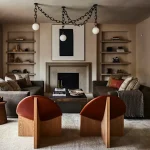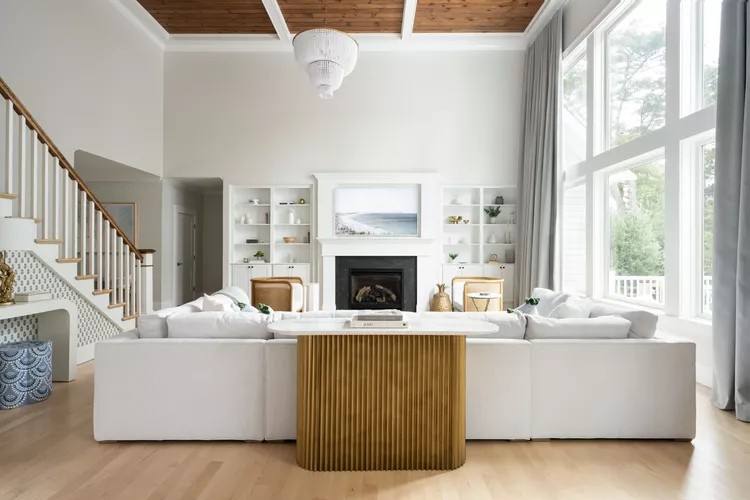

A room can be expensive and still feel off. You have probably walked into homes with fancy furniture, polished stone, and designer lighting, yet the space somehow felt cold, noisy, or oddly forgettable. Elegance does not show up because you spent more. It shows up when every choice knows why it is there. That is the real trick behind people who seem to style interior spaces without trying too hard.
The good news is that elegant rooms are not built on mystery. They are built on restraint, proportion, and a little nerve. You do not need a mansion, a decorator, or a shopping spree that leaves you annoyed at your credit card app. You need a sharper eye and better editing. The strongest home style ideas usually come from what you remove, what you repeat, and what you let breathe. Once you see that, your home stops feeling like a collection of items and starts feeling like a place with character. That shift matters more than any single trend, and it changes the way you live in your rooms every day.
Start With Shape, Scale, and the Quiet Power of Restraint
Elegant rooms begin before color, art, or accessories enter the conversation. They begin with the bones of the space and the way large pieces sit together. When scale is wrong, everything else has to work overtime to hide the mistake. That never ends well. A tiny rug under generous seating, a coffee table that looks lost, or curtains hanging too low can make a room feel accidental. I have seen modest apartments feel polished simply because the owner respected proportion, while larger houses looked awkward because every item fought for attention. Elegance likes calm, and calm starts with structure.
Let Furniture Earn Its Place
Strong rooms do not beg for approval. They stand there, composed, because the furniture feels chosen rather than collected in a panic over several sales weekends. The easiest way to lose elegance is to buy for urgency instead of fit. You end up with bulky shapes blocking movement, pieces pressed against walls for survival, and a layout that feels like it is apologizing for itself. That is not a style issue. That is a planning issue.
A better move is to begin with function and footprint. Measure your walking paths, know where conversation should happen, and give the anchor pieces room to breathe. In a city flat, that might mean one deep sofa instead of two average ones. In a family room, it could mean skipping the oversized recliner that dominates every sightline. Big is not refined just because it is big. It has to belong.
The most elegant spaces usually have one or two pieces with presence and several quieter supporting players. Think of a dining room with a sculptural table and simple chairs, or a bedroom with a tailored headboard and understated nightstands. That contrast creates ease. When everything tries to be the star, the room turns loud. Loud rooms get old fast.
Use Negative Space Like It Costs Money
Empty space scares people because it feels unfinished at first glance. That reaction causes a lot of bad decorating. Shelves get stuffed, corners get filled with random stools, and tabletops become parking lots for objects that mean nothing. Then the room loses oxygen. Elegant interiors understand that what you do not add matters almost as much as what you do.
Negative space gives the eye somewhere to rest. It helps the good pieces look better, the architecture look stronger, and the room feel more expensive than it actually is. A console table with one lamp and one ceramic bowl often has more authority than the same table crowded with frames, candles, books, and three decorative items trying to prove the owner has taste. Taste rarely needs that much explaining.
This is where many home style ideas go wrong online. Photos packed with objects may look charming for a second, but living in that kind of visual clutter wears you down. Real elegance has discipline. Leave part of the shelf open. Let the wall stay bare if the art is not right yet. Resist the urge to fix every silence. A room with breathing room feels confident, and confidence always reads better than excess.
Color Should Guide the Mood, Not Hijack the Room
Once the scale is right, color takes over the emotional side of the job. This is where people either create depth or accidentally build a showroom that feels strangely flat. Elegant spaces do not need dull color, but they do need controlled color. You want tones that speak to each other, not shades that arrive like strangers at the same party and never connect.
Build a Palette That Feels Lived In
Good color choices do not come from grabbing three trendy swatches and hoping the internet approves. They come from observing what kind of feeling you want when you walk into the room. Calm reads differently from moody. Airy feels different from warm. Once you know the mood, your palette becomes easier to build because it has a job.
A strong method is to start with one grounding neutral that suits the light in your space. Warm whites, soft mushroom, stone, oat, and muted olive often carry elegance better than sharp, sterile shades. North-facing rooms may need warmth so they do not feel flat and blue. Sunlit rooms can handle cooler notes if you want a crisp look. Light changes everything. Paint chips lie under store lighting, and many people learn that the hard way.
The room becomes richer when you layer versions of the same mood instead of chasing contrast for the sake of drama. A living room with warm ivory walls, tobacco wood, faded brass, and muted green textiles feels complete because the palette has memory. It feels like someone actually lives there. That matters. Color should not look selected by committee.
Contrast Works Best When It Has Manners
Many people hear “elegant” and think everything must match softly and behave. That is too timid. Contrast gives a room tension, and tension keeps a space from slipping into blandness. The issue is not whether contrast belongs. The issue is whether it shows up with control. A black lamp on a pale console, dark trim in a light room, or a deep plum chair in a neutral study can sharpen the whole composition.
What fails is random contrast. A cobalt pillow, a red vase, and a mustard throw do not create personality just because they are bold. They create confusion if the room has no bigger color logic. Elegant interiors give contrast a reason to exist. Sometimes that reason comes from repetition. The black from the lamp returns in a frame, the chair leg, or a small detail in the rug. That small echo makes the room feel intentional.
This is also the right moment to style interior spaces with finish in mind, not just hue. Matte walls feel different from glossy tile. A chalky plaster lamp has a different temperament than mirrored furniture. You can keep the palette fairly restrained and still build depth through sheen, grain, and texture. In fact, that is often the smarter path because it holds your interest longer than bright color tricks.
Materials Tell the Truth Faster Than Decor Ever Will
You can fake a trend for a season, but materials expose everything. They tell you whether a room has weight, honesty, and staying power. Elegant interiors do not depend on perfection. They depend on materials that age well and feel good under daily life. People may not always name why a room feels rich, but they can sense when it is built on surfaces with depth instead of shortcuts.
Mix Finishes So the Room Feels Human
Perfect matching is one of the quickest ways to drain the life out of a room. A full furniture set in the same wood tone, the same metal, and the same finish can make the space feel like it was purchased in a single sweep without a thought for personality. Elegant rooms are more mixed than most people expect, and that mix is what gives them warmth.
Try pairing clean-lined upholstery with old wood that has a little grain and history. Add stone with visible movement, linen that creases a bit, or unlacquered brass that will darken over time. Those materials bring a room down to earth. They keep it from feeling too stiff or too polished. A home should not look frightened of use. It should look ready for life.
One of the best real-world examples is the kind of dining room where a smooth marble tabletop sits above slightly worn oak flooring, with simple fabric chairs and a pendant that has softened metal rather than shiny chrome. Nothing is screaming, yet everything has character. That combination feels grounded. For ideas on visual storytelling and brand-worthy presentation, even a trusted design publicity resource can remind you how strong materials shape perception before anyone reads a single word.
Texture Does More Than Pattern Ever Will
Pattern gets attention, but texture does the harder work. It makes neutral rooms feel layered and saves darker rooms from looking flat. Many people keep adding prints when a room feels dull, when the real missing piece is touch. Bouclé, washed cotton, slubbed linen, jute, velvet, plaster, cane, and nubby wool all create movement without turning the space into a visual argument.
This matters even more in rooms where the palette stays quiet. A beige room is not boring by default. It becomes boring when every surface reflects light the same way and every fabric tells the same story. When you mix dry textures with smoother ones, soft finishes with rougher ones, the room begins to hold your eye. It feels settled instead of sleepy.
There is also a practical reason to care about texture. It handles wear better than fragile perfection. A slightly rumpled linen drape still looks elegant. A velvet pillow with a bit of movement still feels rich. Rooms that depend too much on crispness age badly because real life will win. Texture ages with grace, and graceful rooms stay appealing longer than trendy ones.
Lighting and Styling Details Decide Whether the Room Feels Finished
This is where many decent rooms miss their final step. They have the right furniture, a sensible palette, and nice materials, but the lighting is harsh and the styling feels random. Suddenly the room looks half-done. Elegance lives in the final layer because that is the part that shapes atmosphere. A home without good lighting is like a face under bad fluorescent bulbs. Unfair, but true.
Layer Light Like You Mean It
Ceiling lights alone almost never create elegance. They create visibility, which is useful, but not the same thing. If you want a room to feel warm, dimensional, and inviting at night, you need layers. That means ambient light for general glow, task light for use, and accent light for mood. Once you start thinking that way, your rooms stop feeling flat after sunset.
A living room, for example, works better with a central fixture, a floor lamp near seating, and a table lamp on a side surface. In a bedroom, wall lights or lamps beside the bed matter more than a bright overhead fixture that makes everything feel clinical. The same space can feel relaxed or harsh depending on the bulb, shade, and placement. That is how powerful lighting is.
People often spend a lot on furniture and then install the cheapest bulbs in the brightest white available. It ruins the whole effect. Choose softer color temperatures, dimmers where possible, and shades that diffuse rather than glare. You do not need theatrical darkness. You need light that flatters the room. That single shift can make a home feel instantly more grown-up.
Style the Final Layer With a Heavy Hand on Editing
Accessories are where personality should whisper, not shout. This is the part many people overdo because styling feels playful and less permanent than furniture or paint. A few extra books, another tray, one more candle, a vase in every corner, and suddenly the room has no center of gravity. It just has stuff. That is the truth.
The smarter move is to group objects by relationship rather than quantity. Pair height with width, rough with smooth, old with new. A stack of books beside one low bowl and one branch arrangement often says more than seven unrelated items spread across the same surface. In a bedroom, one framed photo, one lamp, and one beautiful box can feel more intimate than a nightstand crowded with decor chosen for filler.
This is where you finally style interior spaces in a way that feels personal instead of staged. Keep one object with history in view. Let one piece look imperfect. Use art that stirs something in you rather than art that merely matches the sofa. A finished room should feel edited, not sterilized. That distinction is everything, and it is usually what separates elegant homes from homes that only look expensive in photos.
Elegant Interiors Grow Better When You Stop Chasing Perfect
The most memorable homes are not the ones that follow every trend with military discipline. They are the ones that feel composed, honest, and deeply considered. That kind of beauty lasts because it is built on judgment rather than novelty. You choose pieces with shape, rooms with breathing room, color with emotional logic, and materials that gain character instead of losing charm. Then you light the whole thing well and edit the details like you respect the space enough not to smother it.
That approach asks for patience, and patience is unfashionable. Still, it works. The room does not need to impress strangers on the internet for half a second. It needs to support your mornings, your late dinners, your messy weekends, and the quieter parts of life that actually happen inside a home. That is why elegant design never comes down to buying more. It comes down to seeing better.
If you want to style interior spaces with real confidence, start with one room and make sharper choices there before touching the next one. Be ruthless with clutter, honest about scale, and picky about what earns a place. Then keep going. Your home does not need a dramatic makeover. It needs intention, and that is a far better investment.
What is the easiest way to make interior spaces look more elegant?
Start by fixing scale before buying anything new. Raise curtain rods, use a larger rug, and remove clutter. Those three changes instantly calm a room. Elegance usually arrives through better proportions and stronger editing, not through spending more on furniture alone.
How do I choose colors for elegant interior spaces without making them boring?
Pick a mood first, then build around two or three connected tones. Add depth through texture, wood, and metal instead of loud color shifts. A quiet palette feels rich when surfaces vary. Boring rooms usually suffer from sameness, not from restraint alone.
Can small rooms still feel elegant and stylish?
Small rooms often look better when styled with discipline. Choose fewer, better pieces, keep walkways open, and let negative space do part of the design work. A compact room with balance and breathing room feels far more elegant than a crowded larger space.
What furniture mistakes make a room look less refined?
The biggest mistakes are undersized rugs, bulky seating, furniture pushed flat against walls, and too many competing statement pieces. Those choices create visual tension for the wrong reasons. A refined room feels intentional, with anchor pieces supported by quieter forms around them.
How important is lighting when styling a living space?
Lighting changes everything because it shapes mood, depth, and comfort. Even a well-designed room can feel cheap under harsh bulbs. Layer overhead fixtures with lamps and softer light sources. When the lighting flatters the room, the entire space suddenly feels more finished.
Should I mix metals and wood tones in elegant home design?
Yes, and you should do it with purpose. Matching everything too closely can make a room feel stiff. Mixed metals and wood tones add warmth and realism. The trick is repetition. Let each finish appear more than once so the room feels connected.
How many decorative accessories should I use in each room?
Use fewer than you think. One strong grouping beats a dozen filler items every time. Accessories should support the room, not distract from it. When each piece has shape, meaning, or contrast, the space feels personal, composed, and far more sophisticated overall.
What is the best first step if I want a more elegant home today?
Walk into your room and remove five things that do not earn their spot. Then check scale, lighting, and layout before shopping. That first round of honest editing often reveals what the space actually needs, and it usually costs nothing but attention.