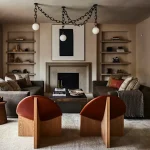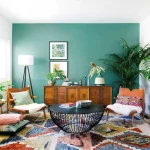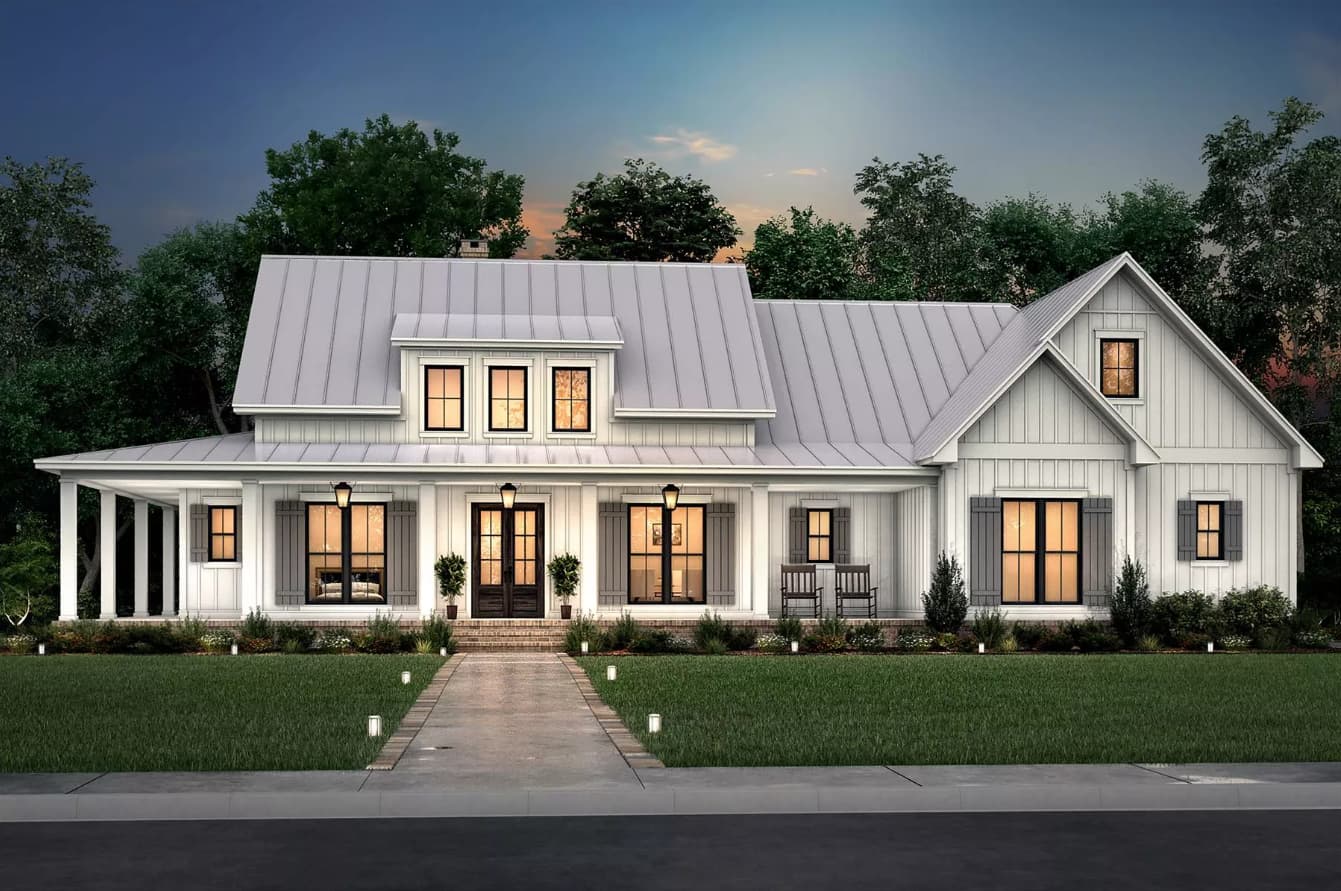

A polished home does not come from money alone. It comes from restraint, confidence, and the nerve to stop adding things when the room is already saying enough. If your place feels busy, flat, or oddly unfinished, the fix is rarely bigger furniture or another shopping spree. It is usually a better eye. That is where style interior spaces begins to matter, because elegance is less about decoration and more about decisions.
You feel the difference the second you walk into a room that has been handled well. The lighting relaxes you. The shapes make sense. Nothing screams for attention, yet everything feels considered. That balance is not magic, and it is not reserved for design professionals with expensive samples spread across a studio table. It comes from knowing what to keep, what to edit, and where to create quiet. A good room should hold you, not exhaust you. The best part is that once you understand the rhythm behind elegant design, you stop chasing trends and start building a home that actually fits your life.
Start with Structure Before You Touch Decor
Most rooms fail before the pillows arrive. They fail at the skeleton level, when furniture sits in the wrong place, walkways feel cramped, and every piece competes instead of cooperating. I have seen beautiful sofas look cheap simply because they were shoved against a wall with no breathing room. Elegance starts with structure, not shopping, and that is good news because structure costs attention more than cash.
Let the Room Tell You Where the Weight Belongs
Strong layouts begin with visual weight. Every room needs a point that quietly anchors the rest, whether that is a fireplace, a large window, a bed with presence, or even a dining table that deserves the spotlight. Once you know the anchor, the rest of the space can support it without creating a tug-of-war. Rooms feel awkward when no one element takes the lead.
Placement changes mood more than people expect. A rug that is too small chops up the floor and makes the room look apologetic. Chairs pushed too far apart kill conversation before it starts. When pieces sit close enough to relate, the room feels settled. That calm reads as elegance even before you notice color or finish.
I once helped a friend reset her living room by moving only four items. The sofa came off the wall, the coffee table shifted closer, one oversized chair left the room, and a floor lamp moved into a darker corner. Same furniture, completely different house. That is the trick. Better arrangement beats more stuff almost every time.
Respect Negative Space Like It Pays Rent
Empty space scares people, so they fill it with side tables, baskets, stools, and decorative clutter that solves nothing. Bad move. A room needs pauses the way music needs silence. Without them, your eye never rests, and the whole space feels louder than it is. Elegant rooms know when to stay quiet.
Negative space does not mean a room should look cold or bare. It means each object gets enough room to breathe and show its shape. A clean stretch of wall beside a sculptural lamp can say more than another framed print ever could. Space adds status. Crowding removes it.
This is where interior elegance often falls apart in ordinary homes. People confuse fullness with warmth. They are not the same thing. A room can feel welcoming with fewer pieces if those pieces belong there. Leave one corner open. Skip the extra ottoman. Let the architecture have a turn.
Choose Scale That Flatters the Room, Not Your Wishlist
Scale is where many online-inspired rooms go sideways. That perfect bench you saved might look smart in a loft and ridiculous in a compact hallway. Oversized furniture can swamp a space, while tiny pieces make it feel timid. Elegant design depends on proportion, and proportion is stubborn. It will not bend just because you liked a photo.
Start with measurements, then think about mass. A chunky sofa with heavy arms changes the entire tone of a room, even if the footprint seems reasonable on paper. A slim console, on the other hand, can open up a narrow entry and still give you function. Dimensions matter, but shape matters too.
Real homes prove this every day. In many city apartments, one deep sectional eats the entire living area and leaves no graceful path through the room. Swap it for a lighter sofa and two smaller chairs, and suddenly the space feels deliberate instead of defeated. Scale is not glamorous, but it saves rooms.
Build a Palette That Feels Calm, Not Flat
Once the structure holds, color can finally do its job. This is where people either create quiet richness or accidentally stage a paint store argument on their walls. Elegant spaces rarely shout. They layer. They repeat. They let contrast arrive with purpose instead of chaos. A good palette gives the eye confidence.
Use Fewer Colors and More Variation
You do not need a rainbow to make a room interesting. You need a disciplined palette with enough range to keep it alive. That usually means a base color, a supporting tone, and a darker or warmer note that adds depth. Too many colors make a room feel undecided, and indecision is never stylish.
Variation within one family often does more work than bold contrast. Think chalky ivory, oat, mushroom, and weathered brown rather than white, teal, yellow, black, and blush all trying to share one sofa wall. The first approach feels mature. The second can feel like a rushed group project.
Paint brands know this, which is why the best sample boards look softer than people expect. A stone-toned room with aged brass, smoked wood, and linen can feel layered for years without tiring you out. Quiet does not mean boring. It means the room has enough confidence to whisper.
Bring Contrast in Through Texture First
People rush to strong color because it feels like the fastest path to personality. I get the urge, but texture usually does the job better. Bouclé against wood, matte walls beside polished stone, crisp cotton near worn leather—those pairings create depth without noise. Texture is the grown-up form of drama.
This matters even more in neutral rooms. Without texture, pale spaces can look thin and forgettable. With it, they feel rich, thoughtful, and lived in. A room with three shades of beige can still have real tension if the surfaces play off one another in a smart way.
I saw this in a small guest room that used almost no bold color at all. The interest came from a woven headboard, plaster-like walls, washed oak bedside tables, and a heavy wool throw at the end of the bed. Nothing flashy. Still memorable. Texture carried the whole scene.
Know When One Bold Move Is Enough
A room does not need five dramatic moments. It needs one, maybe two, and then the good sense to stop. That could be a dark moody wall in a pale room, a single vintage rug with rich color, or a deep green velvet chair that changes the tone without hijacking it. One strong note lands harder.
When every item tries to be special, none of them are. That is the design version of everyone talking over each other at dinner. Elegant homes let standout pieces earn their attention. The rest of the room supports the story instead of trying to rewrite it.
This is also where style interior spaces becomes practical rather than abstract. You choose your focal moment, then protect it by keeping nearby finishes calmer and cleaner. The room feels more expensive because it stops begging for approval. Restraint is doing the heavy lifting.
Mix Materials Like a Grown-Up, Not a Collector
Elegant rooms have range, but they do not feel random. Wood, metal, stone, glass, fabric, and natural fibers should speak to one another, not show up like strangers at the same wedding. The goal is character with control. Once materials start fighting, even a well-planned room loses its nerve.
Balance Hard and Soft for Real Comfort
A room made of only hard surfaces feels cold no matter how beautiful the pieces are. A room made of only soft finishes can feel sleepy and shapeless. You need the push and pull. Stone wants linen nearby. Metal likes wool. Glass behaves better when wood grounds it. Contrast gives a room pulse.
This is not just visual. It changes how the room feels in your body. You want a dining room that looks polished but still invites people to linger. That is easier when a hard table is paired with upholstered seating, a textured rug, or curtains that soften the edges without turning the room sugary.
Hotels understand this better than many homeowners do. The best boutique spaces are never all marble and shine. They cut sleek surfaces with tactile fabrics and warmer finishes so the room feels expensive without feeling distant. Home should aim for that same balance, just with more personality and less performance.
Repeat Finishes so the Room Feels Intentional
Material mixing works best when each finish appears more than once. A black metal frame on one lone chair can feel accidental. Repeat that tone in a lamp base or picture frame, and suddenly the choice makes sense. Elegance grows through echo. Repetition is what turns separate items into a room.
The same rule applies to wood tones. You do not need a perfect match, but you do need a relationship. Warm walnut beside pale ash can work if a middle tone bridges the gap. Without that bridge, the room can look like you moved in from two different apartments and never sorted it out.
This principle saved a dining area I worked on years ago. The owners had a beautiful oak table, dark shelving, brass lights, and chrome bar stools. Nothing spoke to anything else. We repeated the brass in smaller accents, swapped the stools, and introduced a medium wood frame on the wall. Suddenly the room exhaled.
Add Age, Patina, and One Imperfect Thing
Rooms with only new items often look nervous. Everything matches too well, shines too much, and feels like it arrived in one delivery truck. That kind of perfection gets dull fast. Elegant interiors need a little friction, a touch of history, one item with soul that breaks the showroom spell.
Patina does this beautifully. An old brass tray, a slightly faded rug, a hand-thrown ceramic lamp, or a worn wooden stool can make an otherwise polished room feel believable. You do not need a house full of antiques. You just need one or two pieces that suggest life has happened there.
For anyone building a design brand or sharing a project online, thoughtful details matter beyond the room itself. A strong visual story travels well through curated features and tasteful media placement, especially when you understand how home and design publicity can spotlight a space with genuine character instead of empty polish.
Style with Details That Earn Their Place
Details finish a room, but they should never feel like filler. This is where many spaces lose their dignity. People buy decorative objects to solve emotional panic, then scatter them everywhere. A tray here, three candles there, random dried stems in a vase no one likes. That is not styling. That is clutter wearing jewelry.
Light the Room for Faces, Mood, and Depth
Bad lighting ruins good rooms with shocking speed. One harsh overhead fixture can flatten textures, drain warmth from wall color, and make everyone look slightly haunted. Elegant interiors layer light at different heights so the room shifts with the time of day and the way you actually use it.
You want ambient light for general comfort, task light where work happens, and softer lamps that create mood in the evening. That might mean a ceiling fixture, a table lamp by the sofa, and a floor lamp in a dark corner that needs shape after sunset. Light should build atmosphere, not just visibility.
Walk into almost any thoughtfully designed home at night and you will see this immediately. The room glows instead of glares. Shadows have shape. Corners do not disappear. You feel better in that kind of light, and people often mistake that feeling for luxury. Fair enough. Good lighting deserves the praise.
Edit Accessories Until the Room Feels Honest
Accessories should reveal taste, not shopping stamina. Choose fewer objects with better form, cleaner lines, and some personal meaning. A stack of books you actually reread says more than ten generic decor pieces bought in one click. A bowl from a trip, a framed sketch, a branch clipped from the garden—those details have pulse.
The best shelves and surfaces mix height, shape, and open gaps. Nothing needs to march in a neat little row unless you are styling a pharmacy. One object can stand alone if it has enough presence. Leave room around it. Let the composition breathe and the room will look more confident.
This is another place where interior elegance shows up in a very practical way. Editing is not about deprivation. It is about honesty. If you do not love it, use it, or want to dust it, it probably should not be on display. A room gets stronger every time you remove a weak object.
Dress Windows and Walls with Restraint
Window treatments and wall decor can elevate a room fast, but they can also cheapen it faster than almost anything else. Curtains hung too low make ceilings look shorter. Art that is too small makes walls feel timid. Random gallery walls with no visual logic feel messy even when each piece is decent.
Curtains should usually start higher than people think and fall with enough length to feel generous. Art should relate to the furniture beneath it and hold its own against the scale of the wall. You do not need every wall covered. Some walls should simply exist, which is a sentence more people need to hear.
One of the smartest moves you can make is to leave a bit unfinished on purpose. Not neglected. Just open. A bare wall beside a statement chair, or a clear window with soft linen panels, can create more poise than another layer of decoration. Elegance is often what you choose not to add.
Make It Personal Without Making It Chaotic
The final step is where a room stops looking designed and starts looking lived in, in the best sense. Elegance without personality feels sterile. Personality without control feels messy. You need both. The aim is not to create a museum. The aim is to create a home with taste, memory, and enough discipline to stay beautiful on an ordinary Tuesday.
Let Daily Life Shape the Final Choices
A room should support the way you actually move through your day. If you drink coffee in the same chair every morning, give that chair the right table and lamp. If your hallway becomes a drop zone by 6 p.m., design for that reality instead of pretending baskets will magically fix bad habits.
This is where many elegant spaces fail in real life. They are arranged for photos, not for people. The prettier answer is not always the better one. Sometimes the graceful move is a bench where shoes pile up, a washable rug under the dining table, or a closed cabinet that hides everyday chaos.
Homes feel richest when they are honest about use. A reading corner that gets used will age better than a formal sitting area no one enters. Function sharpens taste. It forces your choices to prove themselves, and that pressure often leads to better design than pure decoration ever could.
Bring in Memory, but Keep Sentiment on a Leash
Personal objects matter because they stop a room from feeling anonymous. Family photos, inherited pieces, travel finds, or even a ridiculous ceramic bird you bought on a good day can all add texture to a space. But sentiment needs editing too. Love is not a styling method.
Choose the pieces that still spark something real when you look at them. Then give them room. A single old photograph in a beautiful frame often says more than a cluttered collage wall. Your grandmother’s side table will shine brighter if it is not buried under unrelated nostalgia.
I am firmly against the idea that elegant homes must hide personality behind beige perfection. That is nonsense. The trick is selection. Keep the meaningful things that deepen the room, and lose the ones that only add visual noise. Memory should warm a space, not clog it.
Finish with Rituals That Keep the Room Beautiful
A room stays elegant through habits, not just design decisions. You can style it well once, then slowly bury it under receipts, chargers, spare cushions, and things you swear you will put away later. Beauty does not survive neglect. It survives routines so small they almost feel boring.
That means resetting the coffee table at night, fluffing cushions in the morning, clearing the dining table after use, and keeping one drop zone from becoming five. Tiny acts protect the bigger vision. They stop the room from drifting back into visual chaos before you even notice it happening.
That is the quiet truth behind style interior spaces. It is not one dramatic makeover and done. It is a series of choices, repeated with enough care to shape the feeling of home over time. Start with one room. Edit hard. Trust calm. Then live in it like you mean it.
A truly elegant home does not try to impress every guest who walks through the door. It knows what matters and refuses to clutter the point. That is why the best rooms stay with you. They feel settled, generous, and a little wiser than the trend cycle outside. You do not need a mansion, a designer label, or a perfect floor plan to create that effect. You need judgment, patience, and the willingness to leave good ideas alone once they are working.
The strongest spaces are built slowly. They grow through better layout choices, steadier color decisions, smarter lighting, and objects with actual meaning. They also grow through editing, which is less glamorous but far more powerful. A room becomes memorable the moment everything unnecessary loses its seat at the table. That is when style interior spaces turns from a phrase into a lived experience.
So take a hard look at the room that bothers you most. Move one piece. Remove three. Add texture where it feels thin. Fix the lighting tonight, not next season. Then keep going. The home you want is rarely hiding in a shopping cart. It is usually waiting inside the choices you have been avoiding.
FAQ 1: How can I make my living room look elegant without buying new furniture?
You can make a living room look elegant by changing layout, improving lighting, editing clutter, and adding texture through throws, rugs, or curtains. Pull furniture into conversation zones, repeat finishes, and leave breathing room. Good arrangement often beats expensive replacement pieces every time.
FAQ 2: What colors make interior spaces look more elegant and timeless?
Elegant rooms usually rely on layered neutrals, earthy tones, soft whites, warm grays, muted greens, and rich browns. The magic comes from variation, not volume. Choose fewer colors, repeat them across surfaces, and add contrast through texture so the space feels calm yet deep.
FAQ 3: How do I style a small room so it feels refined instead of crowded?
A small room feels refined when you protect floor space, choose scaled furniture, hang curtains higher, and avoid over-accessorizing. Use one focal point, keep the palette tight, and let a few strong pieces lead. Small spaces need clarity more than decoration. Every inch counts.
FAQ 4: What is the biggest mistake people make when decorating elegant interiors?
The biggest mistake is adding too much too fast. People crowd rooms with trendy items before fixing layout, scale, and lighting. That creates visual noise instead of elegance. Strong interiors come from editing, repetition, and restraint, not from collecting a cart full of decor.
FAQ 5: How important is lighting when trying to style interior spaces beautifully?
Lighting matters more than most furniture choices because it shapes mood, color, texture, and comfort at once. A room with layered lamps feels richer, warmer, and more flattering. Use overhead light carefully, then add table and floor lamps to create depth after sunset daily.
FAQ 6: Can I mix modern and vintage pieces without making the room look messy?
Yes, mixing modern and vintage pieces works beautifully when you repeat finishes, respect scale, and limit the number of competing statements. Let one or two older items add depth, then support them with cleaner shapes. Contrast feels elegant when the room still reads coherent.
FAQ 7: How do I choose wall art that looks elegant in my home?
Choose wall art by matching its scale to the furniture and wall around it, not by filling space for the sake of it. One larger piece often looks calmer than several tiny frames. Hang it with intention, and give it room to breathe visually.
FAQ 8: What should I do first if my house feels stylish in theory but wrong in reality?
Start by removing what feels unnecessary, then rearrange furniture for flow and comfort before buying anything new. Fix lighting next. After that, study the room for weak spots in scale, texture, and color. Most homes improve faster through editing than through shopping.