

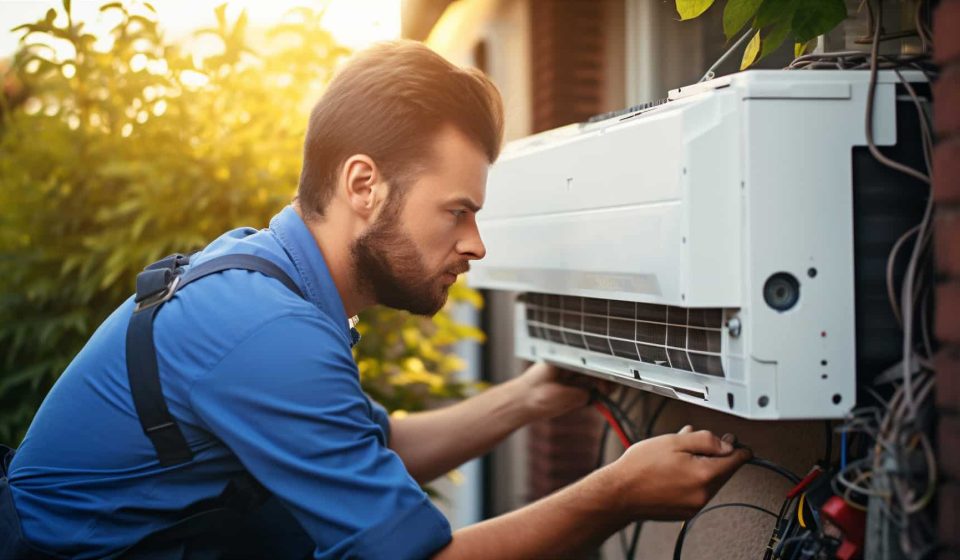

Modern businesses depend on efficient climate control and reliable cooling systems to keep operations running smoothly. From restaurants and grocery stores to healthcare facilities and warehouses, HVAC and refrigeration systems play a vital role in protecting products, maintaining comfort, and ensuring compliance with industry standards. Yet many businesses overlook routine maintenance until an unexpected breakdown interrupts daily operations.
Preventive maintenance and professional servicing are no longer optional expenses. They are strategic investments that improve equipment performance, reduce operating costs, and minimize costly downtime. Understanding how to properly maintain commercial HVAC and refrigeration equipment helps business owners make informed decisions that protect both their operations and long-term profitability.
Why HVAC and Refrigeration Matter More Than Ever
Commercial buildings place heavy demands on their heating, cooling, and refrigeration equipment every day. Unlike residential systems, commercial units often run for extended hours under varying conditions. This workload increases wear and tear, making regular inspections essential.
Well-maintained systems provide several benefits:
- Improved indoor comfort
- Consistent temperature control
- Better energy efficiency
- Lower repair costs
- Longer equipment lifespan
- Reduced operational interruptions
- Improved air quality
- Better protection for temperature-sensitive inventory
These advantages directly influence customer satisfaction, employee productivity, and business performance.
The Hidden Cost of Delayed Maintenance
Many equipment failures begin as small issues that go unnoticed. Dirty condenser coils, clogged filters, worn belts, or low refrigerant levels may seem minor, but they gradually reduce efficiency and place unnecessary stress on the system.
Ignoring routine service often leads to:
- Emergency repairs
- Higher energy bills
- Unexpected equipment replacement
- Food spoilage
- Business downtime
- Customer dissatisfaction
Preventive maintenance helps identify problems before they become costly emergencies.
Signs Your HVAC and Refrigeration System Needs Attention
Commercial equipment rarely fails without warning. Paying attention to early signs can prevent larger issues later.
Watch for these common indicators:
Rising Utility Bills
An unexplained increase in energy consumption often signals declining system efficiency.
Uneven Cooling or Heating
Temperature inconsistencies throughout the building may indicate airflow restrictions, failing components, or refrigerant issues.
Excessive Noise
Grinding, rattling, buzzing, or squealing sounds usually indicate mechanical wear that requires professional inspection.
Frequent Cycling
Equipment that turns on and off more frequently than normal often struggles to maintain desired temperatures.
Moisture or Water Leaks
Water accumulation around HVAC units or refrigeration equipment can indicate drainage problems or refrigerant leaks.
Unpleasant Odors
Musty or unusual smells may point to mold growth, electrical problems, or dirty components that require immediate attention.
Essential HVAC and Refrigeration Maintenance Best Practices
Preventive maintenance is one of the most cost-effective ways to maximize system reliability.
Replace Air Filters Regularly
Clean filters allow unrestricted airflow, reduce strain on equipment, and improve indoor air quality. Dirty filters increase energy consumption and accelerate component wear.
Filter replacement frequency depends on:
- Building occupancy
- Operating hours
- Indoor air quality
- Industry requirements
- Environmental conditions
Schedule Professional Inspections
Routine inspections help technicians identify worn components before they fail. A comprehensive inspection typically includes:
- Electrical testing
- Refrigerant pressure checks
- Coil cleaning
- Thermostat calibration
- Drain line inspection
- Airflow testing
- Compressor evaluation
- Fan motor inspection
Professional servicing helps equipment operate safely and efficiently year-round.
Keep Condenser Coils Clean
Outdoor condenser coils collect dirt, leaves, dust, and debris. Dirty coils reduce heat transfer, forcing compressors to work harder and consume more electricity.
Regular cleaning improves cooling performance and reduces energy costs.
Inspect Refrigerant Levels
Low refrigerant reduces cooling performance and may damage compressors if left unresolved. Refrigerant leaks should be repaired by qualified professionals before recharging the system.
Maintaining proper refrigerant levels improves efficiency and extends equipment life.
Check Electrical Components
Loose electrical connections increase resistance, generate heat, and may lead to unexpected failures.
Routine electrical inspections help identify:
- Loose wiring
- Damaged capacitors
- Worn contactors
- Faulty relays
- Electrical safety concerns
Early detection reduces the likelihood of emergency breakdowns.
Improving Energy Efficiency Through Preventive Care
Energy efficiency is a priority for commercial property owners. Heating, cooling, and refrigeration represent a significant portion of facility utility expenses.
Several maintenance practices improve efficiency:
- Clean evaporator and condenser coils
- Seal air leaks
- Maintain proper refrigerant charge
- Calibrate thermostats
- Lubricate moving parts
- Replace worn belts
- Maintain proper airflow
- Upgrade outdated controls
Even modest efficiency improvements can generate meaningful savings.
Industry Compliance and Equipment Reliability
Many industries operate under strict regulations for food safety, pharmaceuticals, healthcare, and manufacturing. Reliable refrigeration is essential for maintaining product integrity and regulatory compliance.
Routine servicing helps businesses maintain consistent temperatures while reducing the risk of product loss.
Industries that benefit include:
- Restaurants
- Grocery stores
- Hospitals
- Medical laboratories
- Food processing facilities
- Hotels
- Convenience stores
- Cold storage warehouses
Reliable equipment supports operational continuity and customer confidence.
Why Preventive Maintenance Saves Money
Some business owners postpone maintenance to reduce short-term expenses. Unfortunately, this approach often increases long-term operating costs.
Preventive maintenance helps reduce:
- Emergency service calls
- Equipment replacement costs
- Product loss
- Utility expenses
- Business interruptions
- Labor inefficiencies
When equipment operates efficiently, businesses spend less on repairs while enjoying more predictable operating costs.
Choosing the Right HVAC and Refrigeration Service Provider
Not all service providers deliver the same level of expertise. Businesses should look for technicians who understand commercial systems and prioritize long-term equipment performance rather than temporary fixes.
Consider providers that offer:
- Preventive maintenance programs
- Emergency repair services
- Commercial HVAC expertise
- Refrigeration system specialization
- Experienced certified technicians
- Transparent communication
- Customized maintenance schedules
- Prompt response times
Working with experienced professionals helps businesses avoid recurring problems while maximizing equipment lifespan.
Planning for Seasonal Maintenance
Seasonal changes place different demands on HVAC systems. Preparing equipment before peak seasons reduces unexpected breakdowns during busy periods.
Spring maintenance focuses on cooling performance before summer arrives. Fall inspections prepare heating systems for colder weather while ensuring components operate safely.
Commercial refrigeration systems benefit from year-round monitoring because they operate continuously. Consistent inspections maintain stable temperatures and reduce energy consumption.
A proactive maintenance schedule allows technicians to recommend upgrades or replacements before equipment becomes unreliable.
Building a Long-Term Maintenance Strategy
Successful businesses rarely rely on reactive repairs. Instead, they establish long-term maintenance plans designed around their operational needs and equipment usage.
An effective maintenance strategy should include:
- Scheduled inspections
- Equipment performance tracking
- Maintenance documentation
- Energy usage monitoring
- Timely component replacement
- Employee reporting procedures for unusual equipment behavior
These practices create a more reliable operating environment while helping management budget more accurately for future maintenance and capital improvements.
Protect Your Business with Proactive Maintenance
Reliable HVAC and refrigeration systems are essential for maintaining productivity, protecting inventory, and controlling operating expenses. Businesses that invest in preventive maintenance experience fewer breakdowns, lower energy costs, improved equipment performance, and greater confidence.
Rather than waiting for equipment to fail, proactive servicing keeps systems operating efficiently and supports long-term business success. Partnering with experienced commercial HVAC professionals helps maximize reliability and equipment life.
For businesses seeking dependable commercial HVAC and refrigeration expertise, Buffos Refrigeration provides professional maintenance, repair, and service solutions designed to keep critical systems operating efficiently, minimize downtime, and support reliable performance year-round.
Learn more about their commercial HVAC services at buffos-refrigeration.