

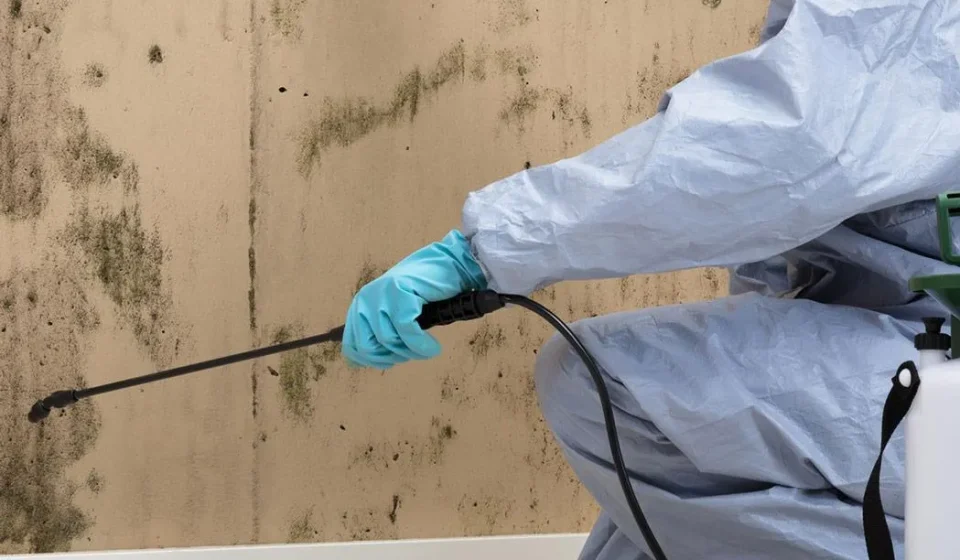

Finding mold in your home is unsettling, and the next step is often confusing. Do you need an inspection, remediation, or both? The two sound similar but do very different jobs. Professional mold inspection services find the mold, measure the moisture feeding it, and document the damage. Mold remediation is the hands-on work of containing, removing, and cleaning it up, then fixing the moisture so it stays gone. One diagnoses the problem, the other fixes it.
Here is how they differ, and why most homes end up needing both. Knowing the difference saves you money and stops mold from coming back.
What Professional Mold Inspection Services Are
Professional mold inspection services assess and document a mold problem. They find where mold is, what feeds it, and how far it has spread. Think of it as the diagnosis before any treatment.
- Purpose: Detect mold, find moisture sources, and map the extent.
- Process: Visual checks, moisture meters, infrared scans, and air or surface sampling.
- Output: A report with findings, mold type if tested, and a remediation plan.
- Often required for real estate sales, insurance, or legal claims.
Good inspections give you facts to act on instead of guesses. They also create the paper trail that insurers and buyers often require.
What Mold Remediation Services Are
Mold remediation is the cleanup and repair phase. It removes the mold and fixes the moisture so it does not return. It is the treatment that follows the diagnosis.
Remediation usually follows clear steps:
- Find and stop the moisture source.
- Contain the area and run air filtration.
- Remove mold-infested materials, then clean and disinfect.
- Dry everything and confirm with a final check.
- Verify the area is safe before anyone moves back in.
The goal is for mold to return to normal, natural levels, with the space restored. Done right, it tackles the cause rather than the visible patches. Otherwise, the mold simply grows back within weeks.
Key Difference Between The Two
Purpose and Focus
Purpose is the core split. One gathers information, the other takes action. Each answers a different question about your mold problem.
- Inspection: Assessment and information gathering.
- Remediation: Removal, cleaning, and prevention.
This means inspection tells you what is wrong, while remediation fixes it.
Skipping the first step often leads to wasted money on the second. You cannot fix what you have not measured. Clear scoping prevents over-treating or under-treating the problem.
Process and Methods
Their methods barely overlap. One is diagnostic, the other is corrective. Inspectors look and measure; remediators contain and remove.
- Inspection methods: Visual checks, moisture meters, infrared cameras, and lab testing.
- Remediation methods: Containment, negative air, HEPA cleaning, and disinfection.
Both demand care, but they call on very different tool kits. Hiring the wrong specialist for the stage wastes time and money.
Timing in the Mold Lifecycle
Order matters. Inspection comes first, remediation follows, and a final check closes it out. Following that sequence keeps the work focused and verifiable.
- First, inspection finds the problem and sets the scope of work.
- Then, remediation uses that scope to remove mold and fix moisture.
- Finally, a post-remediation check confirms mold is not creeping back.
Skipping the final clearance is a common mistake that hides lingering problems. Clearance testing confirms the air and surfaces are back to normal. It is the only real proof that the job worked.
Tools and Expertise
Each role uses its own gear and training. The skill sets are different. Neither set of equipment does the other job well.
- Inspection tools: Moisture meters, infrared cameras, sampling kits, and lab analysis.
- Remediation tools: Containment barriers, negative air machines, HEPA vacuums, and antimicrobial cleaners.
- Inspectors do not own removal gear, and remediators do not run labs.
In addition, many states license inspectors and remediators separately, since the work calls for different expertise. Hiring certified pros for each role keeps the work compliant and safe.
Outcomes and Deliverables
What you walk away with is very different. One hands you answers, the other hands you a clean home. Both matter at different stages.
- Inspection: A report, findings, mold type if tested, and a recommended plan.
- Remediation: Cleaned, dried, and restored spaces with mold at normal levels.
Together, they form a record of the problem and proof that it was solved. That record matters at resale and for any future claim.
Conflict of Interest and Third-Party Inspection
Using one company for both jobs can create a conflict of interest. The party that finds the mold should not be the same one that paid to remove it. That overlap can quietly inflate the scope of work.
As a result, reputable remediators prefer an independent inspector for the first assessment and the final clearance.
- Unbiased data on what is really there.
- Clearer, fairer scope of work.
- Honest, independent confirmation that the job worked.
- Paper trails that hold up for insurers and buyers.
Separation protects your wallet and your health at the same time. It also gives you a second set of eyes at the most important moments.
Why You Usually Need Both
Inspection and remediation work as partners rather than rivals. One defines the job, the other completes it.
- Inspection scopes the work so remediation stays targeted instead of guesswork.
- Remediation removes the mold that the inspection found.
- Final inspection proves the mold is gone and stays gone.
Used together, they turn a scary unknown into a documented, solved problem. Most reputable providers will recommend exactly this path. It is the safest route from worry to a clean, healthy home.
How to Choose Between Inspection and Remediation
Start with inspection, then act on what it finds. Matching the service to the stage saves time and money.
Get an Inspection First If
- You suspect mold or smell a musty odor.
- You need to confirm the type, source, and extent.
- You are buying a home with a history of leaks or flooding.
Move to Remediation If
- Mold is confirmed and needs safe removal.
- Moisture must be fixed to stop it from returning.
- The inspection has confirmed the scope to follow.
Either way, an inspection report keeps the whole process honest and on track.
Final Recommendation
Inspection assesses and documents, while remediation removes and prevents, so most homes need both. Start with an inspection, remediate from its findings, then confirm with a post-clearance check. For unbiased results, choose certified pros and, ideally, an independent inspector.
If you want clear answers before anyone tears into a wall, Greenhorn Breckenridge provides professional mold inspection services as an independent, certified inspector. The team finds the mold, traces the moisture, and tests where needed. No sales pressure to remediate, just a clear read on the problem.
You get a same-day, photo-rich report with plain language findings and a clear scope for any remediation. Schedule with them before and after remediation to confirm the job is truly done.