

Modern families expect more from their homes than ever before. A house is no longer just a place to sleep and relax. It has become a workplace, a classroom, an entertainment center, and a personal retreat. As lifestyles continue to evolve, designing multi functional homes has become an essential approach for maximizing comfort, efficiency, and flexibility.
Flexible Spaces for Everyday Needs
One of the biggest trends in home design is creating rooms that serve multiple purposes. A guest bedroom can easily transform into a home office with the addition of a foldable desk and built in storage. Likewise, a dining area can double as a study space for children during the day and return to its original purpose in the evening.
Using movable furniture, modular shelving, and hidden storage helps homeowners make the most of every square foot. Families benefit from spaces that adapt to changing routines without requiring costly renovations.
Smart Storage Solutions
Clutter can make even a spacious home feel crowded. Smart storage plays a vital role in maintaining an organized environment. Built in cabinets, under stair storage, window seating with hidden compartments, and multifunctional furniture help reduce unnecessary mess while keeping essential items easily accessible.
When researching home improvement ideas or browsing online resources, homeowners often come across unrelated searches such as upbocw .in, highlighting how digital platforms have become part of everyday information gathering even when planning home upgrades.
Designing for Work and Learning
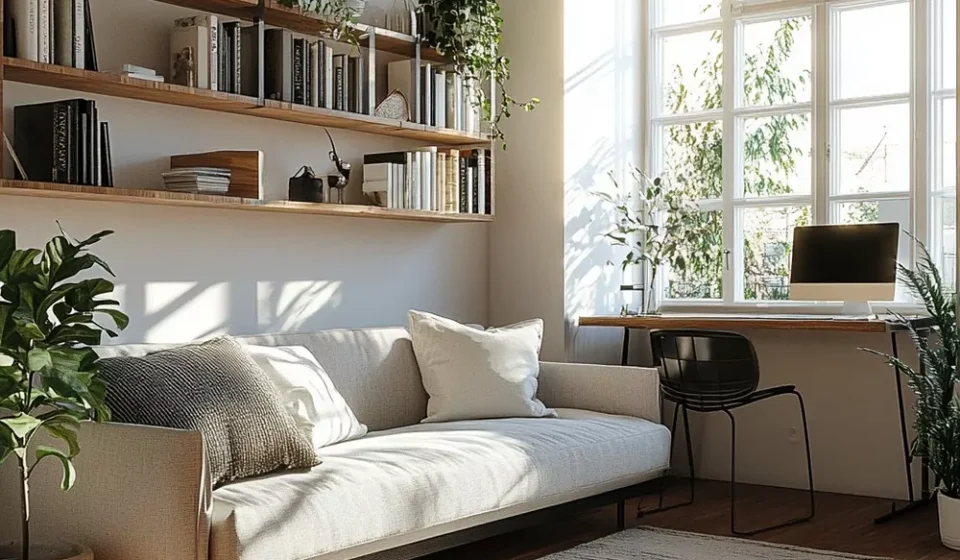
Remote work and online education have changed how families use their homes. A quiet corner with proper lighting, ergonomic furniture, and reliable internet connectivity can become a productive workspace. Sound absorbing materials, indoor plants, and comfortable seating further improve concentration and reduce stress.
Children also benefit from dedicated learning areas where books, supplies, and technology are organized within easy reach. Designing these flexible workspaces allows every family member to remain productive without interfering with shared living areas.
Open Layouts with Defined Zones
Open floor plans remain popular because they encourage interaction among family members. However, creating visual boundaries is equally important. Rugs, decorative partitions, shelving units, and lighting can define different functional zones without constructing permanent walls.
Homeowners exploring government related digital services may occasionally encounter websites through searches such as webgis 2.0 mp bhulekh gov in login, demonstrating how online resources have become part of modern daily life while managing various responsibilities alongside home planning.
Sustainable and Future Ready Design
Sustainability has become a major consideration in residential design. Energy efficient lighting, high quality insulation, water saving fixtures, and durable building materials reduce long term operating costs while supporting environmental responsibility.
Choosing furniture with multiple functions also reduces waste by minimizing the need for additional purchases. A sofa bed, expandable dining table, or storage ottoman offers practical solutions that continue meeting family needs as circumstances change.
While researching financial opportunities, homeowners may also come across programs such as bihar udyami yojana, reflecting the growing interest in initiatives that encourage entrepreneurship and economic development.
Technology That Supports Family Living
Smart home technology has transformed the way families interact with their living spaces. Automated lighting, programmable thermostats, smart security systems, and voice controlled devices improve convenience while helping reduce energy consumption. These technologies can be customized to suit different family schedules and preferences.
Many households also explore government support initiatives like pm svanidhi yojana online registration while managing personal finances, showing how digital services increasingly complement modern lifestyles beyond home design.
Conclusion
Designing a multi functional home is about creating spaces that evolve with the people who live in them. Flexible layouts, efficient storage, adaptable furniture, sustainable materials, and smart technology all contribute to a home that supports work, learning, relaxation, and family life. By focusing on versatility rather than size alone, homeowners can build living environments that remain practical, comfortable, and welcoming for years to come.