
Buying a home is one of the biggest financial decisions most people will ever make. While buyers often focus on location, design, and price, the condition of the electrical system is just as important—if not more. Electrical problems are not always visible during a standard walkthrough, yet they can lead to expensive repairs, safety hazards, and unexpected upgrades after purchase.
A professional electrical inspection helps uncover hidden issues before you commit to buying a property. It provides a clear understanding of the home’s wiring condition, panel capacity, and overall electrical safety. For older homes especially, this step can save buyers from serious long-term problems.
Hidden Electrical Problems Are Common in Homes
Many homes look perfectly fine on the surface but may have outdated or unsafe wiring behind the walls. Sellers are not always aware of these issues, and even general home inspections may not go deep enough into the electrical system.
Common hidden problems include deteriorating wiring, overloaded circuits, ungrounded outlets, and outdated electrical panels. These issues often remain unnoticed until the new homeowner begins using the home regularly.
Electrical inspections help reveal these risks early so buyers can make informed decisions instead of facing surprises after moving in.
Ensuring the Home Can Handle Modern Power Needs
Modern households use significantly more electricity than homes built decades ago. From kitchen appliances and HVAC systems to computers, TVs, and charging devices, today’s power demands are much higher.
During an inspection, electricians evaluate whether the current system can safely support modern usage. If the wiring or panel is outdated, upgrades may be necessary before the home can safely handle daily electrical loads.
Without this evaluation, new homeowners may experience frequent breaker trips, dimming lights, or overheating circuits after moving in.
Identifying Outdated Wiring Systems
Older homes often contain wiring systems that are no longer considered safe by today’s standards. These may include knob-and-tube wiring or aluminum wiring, both of which can degrade over time and create safety risks.
An electrical inspection helps identify these outdated systems so buyers know exactly what they are purchasing. In some cases, replacing old wiring can be costly, and knowing this in advance helps buyers negotiate the price or plan renovations accordingly.
Understanding wiring conditions before buying ensures there are no hidden surprises behind the walls.
Preventing Electrical Fire Hazards
Electrical fires are one of the leading causes of house fires. Faulty wiring, overloaded circuits, and outdated panels are all common contributors to these incidents.
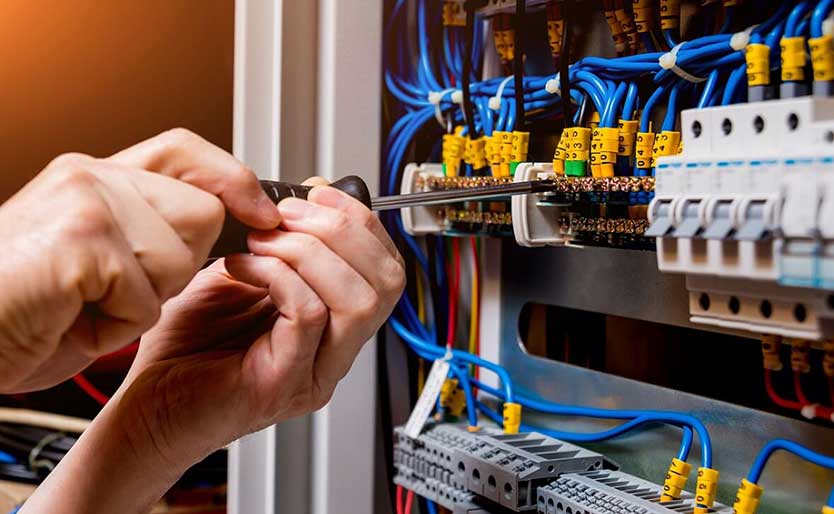
A professional inspection evaluates all major electrical components to ensure they are functioning safely. Electricians check for overheating wires, loose connections, and improper installations that could pose fire risks.
Catching these issues early significantly reduces the risk of electrical fires after purchase, protecting both the property and the people living in it.
Evaluating the Electrical Panel Condition
The electrical panel is the heart of a home’s electrical system. It distributes power throughout the house and protects circuits from overload.
During an inspection, electricians check whether the panel is modern, properly sized, and in good working condition. Older panels may not provide enough capacity for today’s energy needs or may show signs of wear and tear.
If the panel is outdated, replacing it can be a significant expense. Knowing this before buying helps avoid unexpected financial strain later.
Checking Outlet Safety and Grounding
Outlets are another important focus of electrical inspections. Many older homes still have two-prong outlets that lack proper grounding. This can increase the risk of electric shock and damage to sensitive electronics.
Electricians also check for loose, damaged, or discolored outlets, which may indicate hidden wiring problems. Grounding systems are evaluated to ensure safety in case of electrical faults or surges.
These small details play a major role in overall electrical safety and are often missed during general home inspections.
Detecting DIY Electrical Work
Many homes have had previous electrical modifications done by non-professionals. While some DIY work may seem functional, it is not always safe or compliant with electrical codes.
Improper wiring, incorrect breaker installations, or unsafe connections can create long-term hazards. A licensed electrician can identify non-standard or unsafe electrical work during an inspection.
Knowing this before buying helps prevent future repair costs and ensures the home meets safety standards.
Understanding Future Repair Costs
One of the biggest benefits of an electrical inspection is financial clarity. If major issues are discovered, buyers can estimate repair or upgrade costs before finalizing the purchase.
This information can be used to negotiate the sale price or request repairs before closing. In some cases, buyers may even decide to walk away from a property if the electrical system requires extensive work.
An inspection provides transparency, helping buyers make smarter financial decisions.
Improving Negotiation Power
When buyers have detailed inspection results, they gain stronger negotiation leverage. If electrical issues are found, they can request that the seller fix them or reduce the asking price accordingly.
This is especially important in competitive housing markets, where buyers often need every advantage possible. Electrical inspection reports provide factual evidence that can support negotiation discussions.
Instead of guessing about potential costs, buyers can rely on professional findings.
Safety for Families and Future Occupants
Safety is the most important reason for an electrical inspection. Faulty wiring, outdated systems, and overloaded circuits can all pose serious risks to future occupants.
An inspection ensures that the home is safe to live in and meets modern electrical standards. This is especially important for families with children or elderly residents who may be more vulnerable to electrical hazards.
Peace of mind comes from knowing the home has been professionally evaluated for safety.
Local Expertise Matters
Electrical systems can vary depending on region, age of construction, and building practices. Working with experienced local professionals ensures that inspections are accurate and relevant to the area’s housing conditions.
For example, homeowners often rely on Edison Electric Inc when they want reliable evaluations and expert guidance on home electrical safety before purchasing a property.
Professional insight can make a major difference in identifying hidden risks that are easy to miss.
When to Schedule an Electrical Inspection
The best time to schedule an inspection is before finalizing a home purchase. Ideally, it should be done after your offer is accepted but before closing the deal.
This timing allows buyers to make informed decisions without delaying the buying process. It also provides enough time to request repairs or adjust terms if issues are found.
Waiting until after purchase can lead to unexpected expenses that could have been avoided.
An electrical inspection is one of the most valuable steps in the home buying process. It uncovers hidden problems, ensures safety, and provides a clear understanding of the property’s electrical condition.
From outdated wiring and overloaded panels to unsafe DIY work and grounding issues, many risks are not visible during a simple walkthrough. A professional inspection helps buyers avoid costly surprises and make confident decisions.
For anyone considering a property purchase, working with experts who provide residential electrical services st paul mn ensures that the home’s electrical system is safe, reliable, and ready for modern living.