
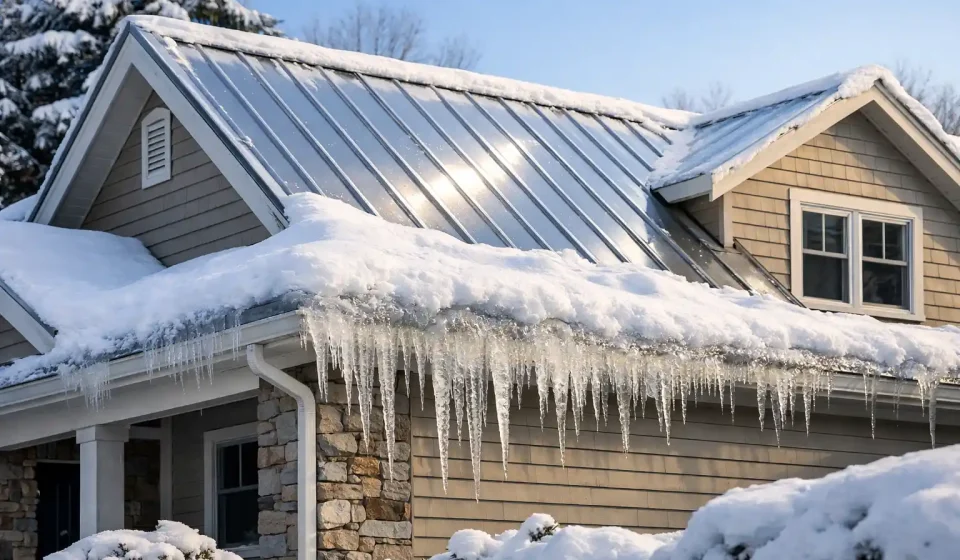

A roof can look peaceful after fresh snow, then quietly start causing damage where you cannot see it. For cold-climate families across Minnesota, Wisconsin, Michigan, Maine, Vermont, upstate New York, and mountain towns across the West, ice dam prevention is not a nice winter upgrade. It is basic home protection. The trouble starts when warm air leaks into the attic, melts snow from below, and sends water toward the colder roof edge where it refreezes. That ridge of ice can trap more meltwater behind it and push moisture under shingles, into soffits, behind walls, and even through ceilings. Homeowners who care about long-term property value often treat roof care as part of broader home maintenance planning instead of waiting for brown ceiling stains to make the decision for them. The smartest approach is not one giant fix. It is a chain of smaller choices that keep the roof cold, the attic dry, and the house ready before the first serious storm arrives.
Ice Dam Prevention Starts Inside the Attic
Most people blame the roof surface when ice forms along the eaves, but the real problem usually begins below the shingles. Warm indoor air escapes through ceiling gaps, electrical penetrations, recessed lights, attic hatches, plumbing chases, and poorly sealed ductwork. Once that heat reaches the underside of the roof deck, it melts snow unevenly and creates the perfect freeze-thaw pattern.
Why Air Leaks Cause More Trouble Than Missing Shingles
Air leaks move heat faster than most homeowners expect. A small gap around a bathroom fan or attic hatch can act like a tiny chimney, pulling warm air into the attic all winter. That air carries moisture too, which can dampen insulation and weaken its ability to slow heat loss.
A contractor in Duluth, for example, may find that a home with newer shingles still gets heavy icicles every January. The shingles are not the villain. The hidden leaks around ceiling fixtures and top plates are feeding heat into the attic like an open window left cracked above the living space.
How Proper Attic Sealing Changes the Whole Roof
Air sealing should happen before adding more insulation. Foam, caulk, weatherstripping, and sealed attic access panels stop heat from reaching the roof deck in the first place. This step is slow, unglamorous work, but it often delivers the biggest winter payoff.
The counterintuitive part is that insulation alone can make things worse if air leaks remain open. Warm air can still pass through gaps, hit cold surfaces, and create condensation inside the attic. A tighter ceiling plane gives insulation a fair chance to do its job, and that matters more than piling extra material over a leaky attic floor.
Roof Ventilation and Insulation Must Work Together
A cold roof does not happen by accident. It needs enough insulation to hold heat inside the living area and enough ventilation to flush out stray attic warmth before it melts snow. Treating one without the other creates a half-fix, and half-fixes are where many winter roof problems begin.
What Balanced Roof Ventilation Looks Like in Real Homes
Balanced ventilation gives air a clear path from soffit vents to ridge or roof vents. Cold outdoor air enters low, moves under the roof deck, and exits high. That steady movement helps keep the roof surface closer to the outdoor temperature.
A common mistake in older New England homes is blocked soffit ventilation. Blown-in insulation gets pushed too far into the eaves, choking airflow right where the roof needs it most. Baffles can protect that pathway, allowing air to move while insulation stays where it belongs.
Why More Insulation Is Not Always the First Fix
Attic insulation helps, but it has to match the home’s climate zone and installation needs. Many northern U.S. homes benefit from deeper attic insulation, yet gaps, compression, and uneven coverage can ruin the result. One thin patch near a stairwell or attic hatch may create a hot spot that snow will reveal after the next storm.
This is where roof ice dam prevention methods become practical instead of theoretical. A homeowner in Green Bay might air-seal the attic floor, add baffles at the eaves, raise insulation depth, and improve ridge ventilation in one planned project. The roof does not need a flashy product. It needs the house to stop warming it from underneath.
Snow, Gutters, and Roof Edges Need Winter Discipline
Even a well-built roof can struggle during back-to-back storms. Heavy snow loads, clogged gutters, and shaded eaves can hold cold moisture in place for days. Maintenance does not replace attic work, but it can reduce pressure while deeper improvements are planned.
When Roof Raking Makes Sense After a Storm
Roof raking can help when several inches of snow collect near the eaves. Removing the lower few feet of snow reduces the meltwater supply that feeds ice buildup. The safest tools are long-handled roof rakes used from the ground, not ladders balanced on frozen soil.
Homeowners in places like Buffalo or northern Michigan know that timing matters. Waiting until snow turns dense and crusted makes removal harder and riskier. Light removal after major storms can prevent small ridges from becoming heavy ice shelves that pull at gutters and fascia.
Why Gutters Are Part of the Ice Dam Conversation
Gutters do not cause every ice dam, but neglected gutters can make roof-edge freezing worse. Leaves, shingle grit, pine needles, and frozen debris slow drainage. Water then lingers at the eaves, freezes, and adds weight where the roof is already under stress.
Clean gutters before winter, check downspout flow, and make sure water drains away from the foundation. A gutter full of ice is not a badge of a hard winter. It is a warning that water is sitting where it should be moving.
Safer Long-Term Fixes Beat Emergency Winter Hacks
Emergency fixes feel tempting when water starts dripping through a ceiling. Heat cables, ice melt socks, and chipping tools all promise quick relief, but none should replace the root-cause work inside the home. The safest strategy separates short-term risk control from permanent prevention.
Where Heat Cables Help and Where They Fall Short
Heat cables can create narrow melt channels through ice, which may help water escape during rough weather. They can be useful on tricky roof sections, north-facing valleys, low-slope edges, or areas where architectural design traps snow. Still, they should be installed carefully and used as a support tool, not the main plan.
The hidden cost is dependency. A home that needs cables every winter may be telling you the attic is leaking heat, the ventilation path is weak, or the roof shape needs professional review. The cable treats the symptom while the house keeps producing the problem.
Why Ice Removal Should Stay Gentle
Aggressive ice removal can damage shingles, gutters, flashing, and siding. Axes, metal shovels, and sharp tools can turn one ice problem into a roof repair bill. When ice is thick or water is entering the home, hiring a professional is usually cheaper than repairing accidental damage later.
For deeper homeowner guidance, the U.S. Department of Energy’s air sealing guidance is a useful place to understand why controlling heat loss matters before winter repairs get expensive. You can also support this article with internal resources such as a winter home maintenance checklist and an attic insulation guide for cold climates to help readers plan the next step.
Conclusion
A winter roof does not fail because snow falls on it. It fails when heat, air leaks, weak ventilation, poor drainage, and delayed maintenance work together long enough to push water where it does not belong. That is why the best fixes feel plain: seal the attic, protect airflow, improve insulation, clear roof edges safely, and stop treating icicles as decoration. Cold-climate homeowners in the U.S. cannot control every storm, but they can control how prepared the house is before the storm arrives. Ice dam prevention is less about panic in January and more about discipline in September, October, and November. Walk the attic, check the gutters, look at the roofline after the first snowfall, and bring in help when the signs point to heat loss or trapped moisture. Start before the ceiling stain appears, because winter always finds the weak spot first.
Frequently Asked Questions
What causes ice dams on roofs in cold climates?
Warm air escaping into the attic melts snow on the roof from underneath. The water runs down to the colder eaves, refreezes, and forms a ridge of ice. That ridge traps more water behind it and can push moisture under shingles.
How can homeowners prevent ice dams before winter?
Seal attic air leaks, improve insulation, keep soffit vents clear, clean gutters, and inspect roof edges before heavy snow arrives. Prevention works best when the attic stays cold and dry instead of letting indoor heat warm the roof deck.
Do gutters make ice dams worse?
Clogged or poorly draining gutters can make freezing worse near the eaves. They hold water, debris, and ice where drainage should happen quickly. Clean gutters before winter and confirm downspouts move water away from the home.
Is roof raking safe for ice dam control?
Roof raking can be safe when done from the ground with a proper long-handled rake. Avoid climbing ladders on icy surfaces or scraping shingles aggressively. Removing snow from the lower roof edge after storms can reduce meltwater buildup.
Are heat cables good for preventing ice dams?
Heat cables can help create drainage paths in problem areas, but they do not fix the cause. Homes that depend on cables every winter often need attic sealing, better insulation, improved ventilation, or a roof design review.
Can poor attic insulation cause roof ice buildup?
Poor attic insulation lets indoor heat reach the roof deck, which melts snow unevenly. That meltwater can refreeze at the colder roof edge. Insulation works best after air leaks are sealed and ventilation pathways stay open.
Should homeowners break ice dams off the roof?
Breaking ice with sharp tools can damage shingles, gutters, flashing, and siding. Thick ice or active leaks should be handled carefully, often by a professional. Gentle snow removal is safer than hacking at frozen roof edges.
When should I call a professional for ice dam problems?
Call a professional when water enters the home, ice is thick, gutters are pulling away, or the same roof area freezes every winter. Repeated ice problems usually point to attic heat loss, blocked ventilation, or a roof detail that needs expert inspection.