


Every seasoned gardener knows that a beautiful, thriving landscape starts from the ground up—literally. If you are planning to boost your garden’s health this season, one of the most critical decisions you will make is choosing the right topsoil.
In Connecticut, our diverse geography means you might be dealing with the sandy shores of Old Saybrook, the dense glacial till of the Litchfield Hills, or the rich but compact clay soils of the Connecticut River Valley. Because our native dirt varies so wildly, bringing in the right bulk or bagged soil can completely transform your planting success.
Here is a straightforward guide on how to evaluate, choose, and source the perfect material for your New England garden.
Understanding the Role of Topsoil
Before you head to your local Connecticut landscaping supply yard, it helps to understand exactly what you are buying.
What is it? Topsoil is the outermost layer of the earth, usually the top 2 to 10 inches. It contains the highest concentration of organic matter, microorganisms, and nutrients, making it the primary zone where plant roots take up water and breathe.
It is important to note that raw, unscreened dirt straight out of an excavation site isn’t ready for your prize tomatoes or delicate perennials. It needs to be processed and, in most cases, amended to provide the structure your plants need.
The 3 Golden Rules for Choosing Garden Soil
When evaluating your options, look for these three key characteristics to ensure you are getting a quality product:
1. Always Opt for “Screened”
If you are ordering a truckload delivered to your driveway, always specify screened topsoil. Unscreened varieties are full of large rocks, thick roots, debris, and stubborn weed seeds that will plague your garden beds for years. Screening ensures a uniform, loose texture (usually through a 1/2-inch or 3/4-inch mesh) that is easy to shovel, rake, and plant into.
2. Check the Texture and Feel
A great general-purpose garden mix should feel like a rich, dark loam. Grab a handful of the damp soil and squeeze it:
- If it crumbles instantly like dry beach sand, it won’t hold enough water during our hot, dry July spells.
- If it forms a hard, sticky ball that you can mold like pottery clay, it will suffocate your plant roots during a heavy spring downpour.
- The Sweet Spot: It should form a loose ball that easily breaks apart when you poke it with your thumb.
3. Know the “Blend” (Topsoil vs. Garden Mix)
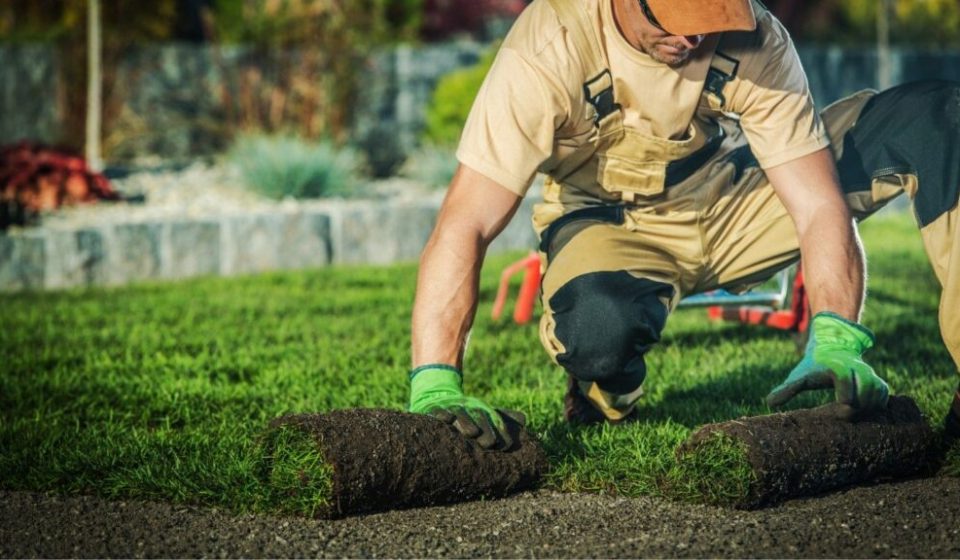
Plain, straight topsoil is excellent for filling in deep holes, grading your yard, or leveling out a bumpy lawn before laying sod. However, if you are filling raised beds or planting a vibrant vegetable garden, plain dirt isn’t enough. You want a garden blend—which is typically a mix of roughly 60% to 70% screened topsoil and 30% to 40% rich organic compost or leaf mold.
Tailoring to Your Specific Connecticut Plants
Different plants have different structural and nutritional needs. Matching your purchase to your specific project will save you time and money:
- For Lawns and Grading: Choose a standard screened variety. It provides a stable base for grass seed or sod to lock its roots into without sinking or shifting over time.
- For Vegetable Raised Beds: Go with a premium leaf-compost and soil blend. Vegetables are incredibly heavy feeders and require maximum nutrient density and exceptional drainage.
- For Native Trees and Shrubs: If you are planting classic Connecticut beauties like Mountain Laurel or Eastern Redbud, mix a little bit of processed topsoil into your existing native dirt rather than replacing it entirely. This helps the roots transition smoothly into the surrounding native landscape.
Sourcing and Delivery: Buying Tips for CT Homeowners
When sourcing your materials, local is always better. Local suppliers understand Connecticut’s native soil profiles and often compost local yard waste and leaves to create incredibly rich, regional blends.
Before you call a local supplier or nursery in Hartford, New Haven, or Fairfield County, calculate your volume using a simple formula:
$$\text{Length (ft)} \times \text{Width (ft)} \times \text{Depth (ft)} \div 27 = \text{Cubic Yards}$$
Most bulk delivery companies have a minimum order requirement (usually 1 to 3 cubic yards). If you only need to top off a single small raised bed, purchasing high-quality bagged organic options from a local garden center is usually the more practical, mess-free route.
By taking the time to inspect the texture, choose a screened product, and pick the right organic blend for your specific plants, you will give your garden the ultimate foundation to thrive for seasons to come.