

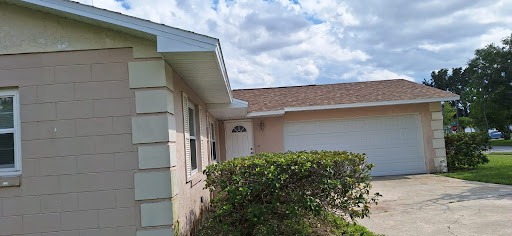

A sagging soffit rarely starts as a dramatic roofline disaster. It usually begins as one bowed corner, one stained strip, or one loose panel that keeps catching your eye when you pull into the driveway. For many U.S. homeowners, damaged soffit panels are the first visible clue that water, pests, poor ventilation, or weak fastening has been working quietly under the roof overhang. That small section matters because the soffit is not trim for decoration. It helps protect rafters, guide attic airflow, and keep the edge of the roof from turning into a hidden repair bill. A homeowner researching practical home maintenance advice is often trying to answer one simple question: can this be fixed cleanly, or is the roofline hiding something worse? The honest answer depends on what caused the failure. A panel that sagged after a windstorm is different from one softened by years of gutter overflow. The smartest repair starts before the first nail comes out.
Why Soffits Fail Before the Rest of the Roof Looks Sick
The roof edge works harder than most people realize. It catches wind, sheds rain, handles heat escaping from the attic, and sits directly below gutters that may overflow after one bad storm. That is why soffit problems often show up before shingles, siding, or interior ceilings show any sign of trouble.
How Water Sneaks Behind the Overhang
Water damage under an eave can feel unfair because the soffit sits in a protected spot. The trouble is that water does not need open sky to cause damage. It needs a path, and clogged gutters give it one. When leaves block the gutter trough, rain spills backward toward the fascia, then slips behind the board and down onto the soffit panel.
Older homes in humid states like Georgia, Florida, and Louisiana often show this pattern first as brown staining along the outer edge. In colder states, ice at the roof edge can push meltwater into gaps that looked harmless in summer. Once moisture reaches wood or hardboard soffits, the panel swells, loses grip around fasteners, and begins to bow.
Vinyl and aluminum panels do not rot the same way, but they still suffer when trapped moisture sits above them. Fasteners corrode, J-channel loosens, and the panel begins to dip between support points. Roof overhang repair often begins with a gutter problem that nobody wanted to climb a ladder to check.
What Sagging Says About Fasteners, Framing, and Weight
A sagging panel is not always rotten. Sometimes the panel was installed with too much span between supports, or the installer left too little room for seasonal movement. Vinyl expands in summer heat and contracts in winter cold. When it has nowhere to move, it can buckle, pop loose, or hang unevenly.
The deeper concern is what the sag is carrying. A soffit should not feel heavy when you lift it. If it sags like a wet towel, moisture has likely soaked insulation, debris, or nesting material above it. In a ranch house outside St. Louis, for example, a homeowner might blame an ugly panel when the true issue is a bird nest packed behind a vented strip.
Sagging soffit sections also point to fastener failure. Rusted nails, stripped screws, and brittle old trim channels can all let the panel drop without warning. The panel may be the visible problem, but the fastener pattern tells the better story. Look there before buying material.
What Damaged Soffit Panels Reveal Before You Buy Materials
The first mistake is treating the soffit like a cosmetic cover. It is tempting to pull down the bad piece, slide a fresh one into place, and call the job done before dinner. That repair may look fine from the lawn, but it can trap the same moisture or airflow problem that caused the failure in the first place.
When Sagging Soffit Sections Can Be Saved
Some panels can be reset instead of replaced. Aluminum panels that slipped from their channel may only need careful removal, straightening, and refastening. Vinyl panels with no cracks, warping, or UV brittleness can sometimes go back into place once the support strip is secured. That is the quiet win homeowners hope for.
The test is simple but honest. Press near the sagging area and feel for softness above it. Check whether the panel edge still holds its shape. Look for staining around fasteners and gaps near the fascia. If the panel is firm, dry, and intact, the repair may stay small.
A saved panel still needs a cause. If a gutter elbow leaks above the same corner every storm, resetting the soffit only resets the clock. Sagging soffit sections deserve more respect than that. A good repair removes the reason the panel fell, not only the visible dip.
When Fascia and Soffit Damage Points to a Larger Repair
Fascia and soffit damage often travel together because they share the same wet edge. The fascia board holds the gutter, while the soffit closes the underside of the overhang. When the fascia rots, the gutter tilts. When the gutter tilts, water returns to the soffit. The cycle feeds itself.
A screwdriver can reveal more than a long inspection report. Gently press the fascia near the damaged area. If the tool sinks in, the board has lost strength. Paint bubbles, peeling caulk, black staining, and nail heads pulling outward all point toward deeper decay. No panel material can hold well against a failing edge.
This is where many homeowners need to slow down. A small roof overhang repair may turn into fascia replacement, drip edge correction, or rafter tail repair. That sounds annoying, but it is cheaper than hiding rot under new trim and discovering it again after the next storm season.
Choosing the Right Materials for a Clean, Long-Lasting Fix
Material choice should follow the house, the climate, and the cause of failure. A coastal home near the Carolinas fights salt air. A Midwest home fights freeze-thaw movement. A desert home fights sun and brittle plastics. The right panel is the one that solves the local problem without creating a new one.
Wood, Vinyl, Aluminum, and Fiber Cement Each Fail Differently
Wood soffits look warm and traditional, especially on older Craftsman, Cape Cod, and colonial homes. They also demand paint, sealing, and close attention near gutters. Once water gets into end grain or nail holes, wood can swell and rot from the back side long before the face looks ruined.
Vinyl resists rot and costs less, which makes it common across U.S. subdivisions. It can sag when installed across wide spans or when attic heat builds behind it. Aluminum handles moisture better and works well in many retrofit jobs, but dents can stay visible. Fiber cement offers strength, though it needs careful cutting and proper fastening.
The unexpected lesson is that no material rescues bad drainage. Homeowners often want the strongest panel, but the stronger move is fixing the water path first. A mid-grade panel installed over a dry, supported, ventilated opening beats an expensive panel covering the same old leak.
Why Airflow Must Stay Open After the Panels Go Back Up
Soffit ventilation problems can turn a neat repair into a hidden attic issue. Vented soffits feed air into the attic so warm, moist air can move out through higher roof vents. When that intake gets blocked, the attic can hold heat in summer and moisture in winter. Both punish the roof from underneath.
The trap happens during replacement. A homeowner removes a vented panel, finds insulation stuffed against the opening, and installs a new panel without clearing the path. From the driveway, the repair looks finished. Inside the attic, airflow still cannot move. That is not a repair; it is a disguise.
Baffles can help keep insulation away from the intake path. In snowy states, that airflow helps reduce roof-edge ice buildup. In hot states, it helps keep attic heat from baking shingles and rooms below. Soffit ventilation problems are rarely loud, but they quietly shorten the life of repairs around them.
Repair Steps That Protect the Roofline Instead of Hiding Trouble
A strong repair moves in order: inspect, remove, correct, replace, seal, then watch. Skipping that order is how small eave work turns into repeat work. The job does not need drama, but it does demand patience at the roof edge.
Safe Removal Without Tearing Up the Fascia
Start by setting a stable ladder on firm ground and avoiding overhead power lines. The ladder angle matters because you need both hands free without leaning into the gutter. For long sections or second-story work, hiring a pro is not weakness. It is common sense wearing work boots.
Remove trim pieces slowly. Pry bars can split old wood fascia or bend aluminum channels if you rush. Back out screws when possible instead of ripping through the panel. If nails are buried under paint, score the edge first so the finish does not peel in long strips.
Once the panel is down, take the rare chance to look inside the overhang. Check rafter tails, blocking, sheathing edges, insect activity, and damp insulation. Roof overhang repair gives you a small window into a place homeowners almost never see. Do not waste that view.
Sealing, Fastening, and Finishing the New Panel Run
The new panel should fit with room for movement. Vinyl needs expansion space at the ends, while wood needs primed edges before it goes up. Aluminum should sit cleanly in its channel without being forced. Fasteners should hold the panel, not pinch it so tight that it buckles during temperature swings.
Seal the right joints, not every gap in sight. Caulking over vent openings blocks airflow. Packing every seam can trap moisture that needs a way out. Use exterior-rated sealant where water can enter behind trim, then leave ventilation paths open. That balance separates careful work from nervous work.
After installation, test the repair with a hose only if the roof and ladder setup are safe. Watch gutters during the next heavy rain. Look for overflow, drip lines, or water streaks at the repaired edge. Fascia and soffit damage often returns when the first cause survives the first repair.
Conclusion
A clean soffit line makes a house look cared for, but appearance is only the surface win. The deeper win is knowing the roof edge can breathe, drain, and hold its shape through the next season of heat, wind, and rain. That is why damaged soffit panels should never be treated as trim pieces you swap out without a second thought. They are small messengers from a hidden part of the house.
The smartest homeowner does not panic over one sagging strip. They inspect the gutter, test the fascia, check airflow, and choose material that matches the climate and structure. Exterior work rewards that kind of calm attention. It also punishes shortcuts with repeat stains, loose channels, and another weekend on a ladder.
Handle the cause before the cover-up, and Exterior Soffit Repair becomes a lasting fix instead of a cosmetic patch. Before you replace the next panel, trace the damage to its source and repair the roofline like the whole edge matters.
Frequently Asked Questions
How do I know if sagging soffit sections need replacement?
Press gently near the sagging area and look for softness, staining, cracks, or loose fasteners. Firm panels may only need refastening if the support channel failed. Soft, swollen, brittle, or mold-stained panels should usually be replaced after the moisture source is fixed.
What causes soffit panels to sag under a roof overhang?
Common causes include gutter overflow, trapped moisture, poor fastening, wide unsupported spans, attic heat, pest nesting, and material movement. The panel may be the visible failure, but the cause is often above or beside it. Always inspect the fascia, gutter, and attic intake path.
Can I repair a soffit without removing the gutter?
Small panel resets may be possible without removing the gutter, but deeper repairs often need better access to the fascia edge. If the gutter is tilted, leaking, or attached to rotten fascia, leaving it in place can limit the repair and hide the real problem.
What is the best material for replacing exterior soffit panels?
Vinyl works well for budget-friendly repairs, aluminum handles moisture, wood suits older homes, and fiber cement offers strong durability. The best choice depends on climate, house style, ventilation needs, and the reason the old panel failed. Drainage matters more than material price.
Do soffit ventilation problems damage the roof?
Blocked soffit vents can trap heat and moisture in the attic. Over time, that can stress shingles, encourage condensation, and reduce roof performance. Vented replacement panels only help when insulation, debris, and nesting material are cleared from the intake path.
Should I paint wood soffits before installing them?
Prime and paint wood soffits on all sides before installation, including cut ends and edges. Bare edges absorb moisture faster than the face of the board. Pre-finishing gives the material a better chance of surviving humidity, rain splash, and seasonal movement.
How much does roof overhang repair usually cost?
Costs vary by material, height, damage level, and whether fascia, gutters, or rafter tails need work. A small panel replacement may stay affordable, while rot repair can cost far more. The most accurate estimate comes after the damaged section is opened and inspected.
When should I call a professional for soffit repair?
Call a pro for second-story work, active rot, pest damage, electrical hazards, gutter removal, or any repair near unstable roof edges. Also hire help if the soffit keeps failing in the same place. Repeated damage usually means the source has not been fixed.