
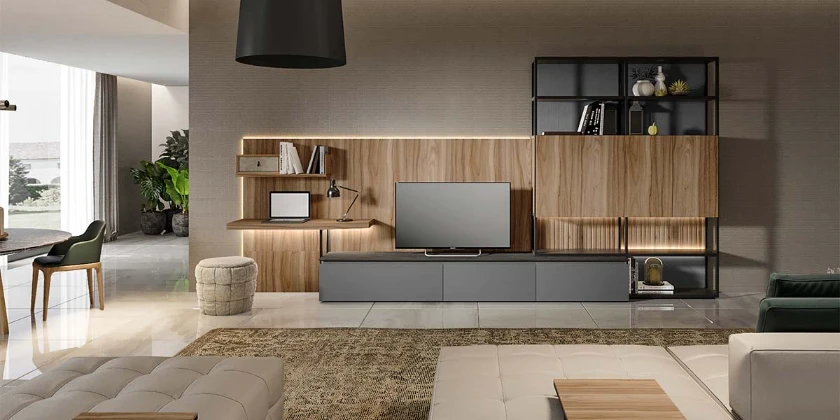

A blank TV wall has a way of making the whole room feel unfinished, even when the sofa, rug, and lighting already look right. Good built in entertainment center planning turns that awkward wall into storage, display space, and a cleaner daily routine without making your living room feel like a showroom. Across many U.S. homes, the real challenge is not taste; it is matching the project to the house, the budget, and the way people actually live.
That is where smart planning beats expensive materials. A family in Ohio with game consoles, school backpacks, and a 65-inch TV needs a different setup than a retired couple in Arizona who wants books, framed photos, and hidden cable paths. The best designs start with habits, not catalogs. Sites that publish practical home improvement publishing resources often make the same point in a different way: the room has to work before it impresses.
A strong entertainment wall can be simple, handmade, semi-custom, or carpenter-built. The price changes, but the thinking does not. You need the right wall, honest measurements, controlled wiring, balanced storage, and finishes that look like they belong in the home.
Planning a Built In Entertainment Center Before You Spend a Dollar
The cheapest mistake is the one you catch on paper. Before buying plywood, cabinets, trim, brackets, paint, or a new TV mount, you need to decide what the wall must handle every day. A custom media wall that ignores real family habits will look clean for one week, then slowly turn into a cable nest with remotes, chargers, mail, toys, and game controllers sitting in plain view.
Why Wall Choice Shapes the Entire Project
A good wall is not always the biggest wall. Many homeowners pick the longest stretch because it feels obvious, then discover glare from a front window, poor outlet placement, or an awkward walkway between the sofa and screen. The better choice is the wall that supports viewing comfort, safe wiring, and natural traffic flow.
In many U.S. ranch homes, the fireplace wall often pulls attention first. That does not mean the TV belongs there. Mounting a screen too high over a mantel can strain your neck, and heat can shorten electronics life when clearances are ignored. A side wall with lower cabinetry may feel less dramatic at first, yet work better every night.
Measurements should include more than wall width. Track ceiling height, baseboard depth, outlet position, stud layout, window trim, return vents, and door swings. A tape measure gives numbers, but painter’s tape gives reality. Tape the TV, shelves, cabinets, and open spaces directly on the wall, then live with the outline for a day.
How Room Habits Decide Storage Better Than Style
Storage planning should begin with the mess you already own. If your living room storage problem comes from gaming gear, closed lower cabinets matter more than tall display shelves. If books and framed family photos dominate the room, open shelving can carry warmth without making the wall feel heavy.
One Texas homeowner might need bins for kids’ blankets and board games. A condo owner in Chicago may need shallow TV wall cabinetry because every inch of walking space counts. The same design photo cannot serve both homes. The wall has to answer the room in front of it.
A helpful rule is simple: hide what creates visual noise and display what adds identity. Routers, power strips, extra HDMI cables, controllers, and instruction manuals belong behind doors or inside drawers. Pottery, books, baskets, art, and a few personal objects can stay open. That mix keeps the project from feeling like a storage unit with a television attached.
Budget Paths for Built In Entertainment Center Projects
Every budget has a smart version and a wasteful version. Built in entertainment center projects can start with painted stock cabinets and trim, grow into semi-custom cases, or become full carpenter-built walls with lighting and specialty storage. The goal is not to spend as little as possible. The goal is to spend where the eye and daily use both notice.
When Stock Cabinets Make More Sense Than Custom Work
Stock base cabinets from home centers can create a polished foundation when the layout is simple. They work especially well in newer suburban homes where wall dimensions are common, floors are level enough, and the homeowner wants hidden storage below the TV. Add a wood countertop, side panels, crown, and paint, and the result can feel far more expensive than the parts list suggests.
The catch sits in the details. Stock cabinets rarely fit wall-to-wall without filler strips, and shallow gaps can look cheap if trim is rushed. Doors may also limit access to deep corners. A homeowner who expects perfection from off-the-shelf boxes will be frustrated, but one who treats them as a base for careful finish work can get a strong result.
This path fits budgets where labor is the biggest concern. A capable DIY homeowner may build the lower run over several weekends, then hire an electrician for outlets and cable routing. That split keeps safety in professional hands while leaving painting, trim, and cabinet assembly to the homeowner.
Where Semi-Custom and Carpenter-Built Designs Earn Their Cost
Semi-custom options make sense when the wall has strange dimensions, angled ceilings, old plaster, uneven floors, or a fireplace that needs careful balance. Older homes in places like Boston, Philadelphia, and St. Louis often punish cookie-cutter cabinet sizes. A slightly bowed wall can turn a simple project into a long fight.
Carpenter-built work earns its price when the entertainment center must look original to the house. Matching existing crown molding, repeating nearby panel profiles, and aligning shelf thickness with doorway trim can make the new wall feel settled. That does not happen by accident. It happens because someone studies the room before cutting wood.
There is a quiet danger in the middle budget range. Homeowners sometimes buy nicer materials but skip design discipline. Expensive wood with poor proportions still looks wrong. Cheaper materials with clean lines, proper reveals, and good paint often look better than premium lumber arranged without restraint.
Designing a Custom Media Wall That Looks Native to the Room
A living room wall should not scream for attention every time someone walks in. The strongest custom media wall usually feels like it could have been part of the house from the beginning. That means scale, spacing, trim, color, and negative space matter as much as cabinet count.
How Proportion Keeps the TV From Taking Over
A large TV can dominate a room fast. The fix is not always hiding it behind doors. Often, the answer is giving the screen enough visual support so it does not float like a black rectangle on a bare wall. Side shelves, lower cabinets, and a centered back panel can make the screen feel intentional.
The space around the TV matters more than many homeowners expect. Crowding shelves too close to the screen makes the wall feel tight. Leaving too much empty space can make the TV look stranded. A balanced design gives the screen breathing room while still connecting it to the surrounding storage.
Think of the wall in zones. The lower zone handles closed storage. The middle zone supports the TV and daily electronics. The upper and side zones add display, books, or architectural detail. This layered approach helps the eye understand the wall instead of bouncing between random boxes.
Why Open Shelves Need Restraint
Open shelves look easy until you have to fill them. Too many small objects make even expensive shelving feel chaotic. A few larger pieces usually work better: a stack of books, one framed photo, a ceramic bowl, a plant, and a basket. Space is part of the design.
Shelf depth also deserves care. Deep shelves can swallow small objects and create shadows. Shallow shelves may look elegant but fail to hold common decor pieces. For many living rooms, a moderate depth gives enough function without turning the wall into a library stack.
Lighting can help, but it can also expose weak styling. Small puck lights above crowded shelves do not create warmth; they spotlight clutter. Soft lighting inside a restrained display can make the room feel settled at night, especially when the main ceiling light stays off during movies.
Building Details That Separate Good Work From Regret
A finished wall can look fine in photos and still fail in daily life. The difference often hides behind doors, inside cable paths, below shelves, and along trim seams. Strong construction respects movement, heat, service access, and future changes. Weak work assumes the TV and devices will never change.
Cable Planning Should Happen Before Cabinets Close In
Wires ruin more entertainment walls than bad paint. HDMI cords, power cables, speaker wires, router cords, and streaming devices need planned routes before the first cabinet is fixed in place. Once the wall is boxed in, every forgotten cable becomes a future headache.
Power should be handled safely and legally. In-wall power kits, proper outlets, and electrician-installed connections beat risky extension cords hidden behind cabinets. Many U.S. homes also need stronger Wi-Fi placement than owners expect, so hiding the router inside a closed cabinet may create dead zones.
Access panels are not glamorous, but they save projects. A removable back panel behind the TV or a hidden opening inside a side cabinet lets you replace cables, reset devices, or upgrade equipment later. The best wall is not frozen in time. It can adapt without being torn apart.
Ventilation and Weight Matter More Than They Seem
Electronics generate heat. Game consoles, receivers, streaming boxes, and routers need airflow, especially behind closed doors. A cabinet that looks clean but traps heat can shorten device life and make the room smell faintly warm after a long movie night.
Ventilation can be simple. Use vented shelves, grille inserts, open backs, or small gaps where air can move. The goal is not to make the cabinet look technical. The goal is to keep equipment healthy while preserving the finished look.
Weight also deserves respect. Floating shelves need proper anchors or stud-mounted supports. Large TVs need mounts rated for their size and weight. Stone tops, thick wood counters, and tall book-filled shelves add load quickly. A beautiful wall that sags after six months is not a bargain.
Finishing Choices That Make TV Wall Cabinetry Feel Expensive
Paint, trim, hardware, and surface texture decide whether TV wall cabinetry looks built-in or bolted-on. The materials do not need to be fancy, but the finish work needs patience. Most people notice uneven gaps, rough caulk, poor sheen choice, and mismatched trim before they notice the cabinet brand.
Paint Color Can Hide or Highlight the Screen
White cabinetry feels classic, but it is not always the best choice around a TV. A bright white wall can make the screen look harsher when it is off and increase contrast during dark scenes. Warmer neutrals, muted greens, soft taupes, or deeper charcoal tones can make the wall feel calmer.
Color should connect to the room. If the living room already has oak floors, cream upholstery, and brass lamps, a cold gray wall may feel out of place. If the room has black window frames and modern furniture, a deeper painted entertainment wall may feel natural.
Sheen matters too. Satin or eggshell often works better than high gloss because it hides small imperfections and reduces glare. Trim can carry a slightly stronger sheen, but the main cabinet surfaces should not fight the TV for attention.
Hardware, Trim, and Doors Set the Final Tone
Hardware should match the room’s personality, not the latest aisle display. Simple black pulls can suit a modern townhouse. Brushed brass may warm up a traditional living room. Wood knobs can soften a cottage-style space. The wrong hardware makes a decent cabinet feel confused.
Trim needs discipline. Crown molding, base trim, face frames, and side panels should relate to the existing house. A thick, ornate crown in a plain builder-grade room can feel fake. Thin trim in a formal older home can feel unfinished. The best choice usually echoes what already exists nearby.
Doors change the mood more than people expect. Flat slab doors feel calm and modern. Shaker doors work in many American homes because they sit between plain and traditional. Glass doors look lovely when the contents stay neat, but they punish clutter. Choose the door based on real behavior, not wishful thinking.
Conclusion
A living room entertainment wall succeeds when it respects the home instead of trying to overpower it. Big budgets can still produce awkward results, and small budgets can create rooms that feel thoughtful, warm, and finished. The difference comes from measurement, restraint, honest storage planning, safe wiring, and finish details that match the rest of the house.
The smartest built in entertainment center is not the one with the most shelves or the fanciest materials. It is the one that solves the room’s daily problems while looking like it belongs there. That may mean stock cabinets with careful trim, a semi-custom layout around an old fireplace, or a carpenter-built wall designed to match original molding.
Start with the wall, the habits, and the mess you need to control. Then pick the budget path that supports those facts instead of chasing a photo that was never designed for your home. Build the wall your living room has been asking for.
Frequently Asked Questions
How much does a living room built-in entertainment wall usually cost?
Costs vary widely based on size, labor, materials, wiring, and finish level. A DIY stock-cabinet version may stay modest, while carpenter-built walls with lighting, custom doors, and specialty trim can cost much more. The best first step is pricing the wall by zones.
Can I build an entertainment center with stock cabinets?
Stock cabinets can work well when the wall is fairly simple and the homeowner accepts filler strips, trim adjustments, and paint work. They are strongest as a lower storage base. Shelving, side panels, and crown details usually make them feel more built-in.
What is the best wood for a custom media wall?
Paint-grade plywood, MDF, poplar, and hardwood plywood are common choices. The right material depends on finish, budget, shelf span, and room moisture. Painted projects often do not need expensive hardwood, but shelves still need enough strength to resist sagging.
Should a TV be centered in built-in cabinetry?
The TV should usually center on the main viewing position, not always the full wall. Cabinetry can then balance the remaining space. This matters in rooms with fireplaces, windows, or offset seating, where strict wall centering may make everyday viewing uncomfortable.
How deep should living room storage cabinets be?
Many lower cabinets fall between shallow media-console depth and standard base-cabinet depth. The right choice depends on walking space, device size, and what you need to store. Measure game consoles, receivers, baskets, and board games before choosing cabinet depth.
Do built-ins add value to a house?
Well-designed built-ins can make a living room feel finished and more useful, which may help buyer appeal. Poorly designed walls can hurt flexibility. Neutral finishes, safe wiring, balanced storage, and a design that matches the home usually age better.
How do I hide wires in TV wall cabinetry?
Plan cable paths before installation. Use proper in-wall cable solutions, electrician-installed outlets, removable panels, and cabinet access holes. Avoid hiding standard extension cords inside walls or sealed cabinetry because that creates safety and service problems.
What style works best for a small living room entertainment center?
Small rooms usually benefit from lighter visual weight, closed lower storage, limited open shelves, and a TV position that does not block movement. Shallow cabinets, clean doors, and restrained decor can make the wall useful without shrinking the room.