

Yes, for most homes here it is. Metal handles 100-degree summers, strong winds and the odd snowfall better than asphalt shingles, and it lasts decades longer. The catch is price. You’ll pay two to three times more up front, and the install needs a crew that works with metal every week. If you plan to stay in your home for many years, metal may offer better long-term value. If you expect to sell soon, asphalt shingles may be the more affordable choice. Here’s how to decide if metal roofing Tri Cities makes sense for your home.
Key Takeaways
- Choose metal if you’ll own the house for 15 years or longer, because the long lifespan is where the savings come from.
- Pick a light, reflective coating if high summer cooling bills are your main complaint.
- Hire a contractor who installs metal regularly, since poor flashing and seams cause most metal roof leaks.
- Stick with quality shingles if you’re selling within a few years or the higher upfront cost would strain your budget.
How Does Metal Roofing Perform in Tri-Cities Weather?
It performs well. The area is hot, dry, and windy, and metal deals with all three better than most materials. Each season tests a roof differently, so here they are one at a time.
Handling Hot, Dry Summers and Strong Sun Exposure
Kennewick, Pasco, and Richland hit 100 degrees often in July and August. Asphalt shingles cook under that. The oils dry out, the granules loosen, and the edges curl. Metal has no oils to lose, and steel and aluminum panels shrug off UV rays. A good paint finish holds its color for years. Panels do expand in the heat, so the system needs clips that let them slide a little.
Withstanding Wind and Seasonal Weather Changes
Spring and fall wind here can gust past 50 mph. Shingles lift and tear off in that kind of weather. Standing seam panels lock together along the seams and attach to the roof deck with hidden clips. Many systems carry wind ratings well above 100 mph, though you should check the rating for the exact product you’re buying. Those same sliding clips handle temperature swings between winter lows and summer highs.
Managing Rain and Occasional Snow
The Tri-Cities gets only about eight inches of rain a year, so water is rarely the problem. When snow does fall, it slides off smooth metal quickly. That’s mostly good news. A slab can drop onto a walkway or front door, though, so snow guards are worth adding above entries. Leaks on metal roofs almost always start at flashing and penetrations, not in the panels.
Reflecting Solar Heat and Improving Energy Efficiency
Light-colored or cool-rated metal bounces back a good share of the sun’s heat. A reflective metal roof can reduce heat absorption and lower cooling demand during hot weather. The actual energy savings depend on the roof finish, attic insulation, ventilation and the home’s existing energy performance. Panels installed over a small air gap help even more, because heat doesn’t sit directly against the deck.
What Are the Benefits and Drawbacks of Metal Roofing?
The benefits are a long life and low upkeep. The drawbacks are cost, harder repairs, and a few concerns people worry about more than they should.
Lifespan and Resistance to Common Roofing Damage
Metal roofs last 40 to 70 years. Asphalt shingles run 15 to 25 years, and often less under strong sun like ours. Metal won’t rot, attract insects, or grow moss. Metal roofing can be part of a Class A fire-rated roofing assembly. If wildfire resistance is a concern, ask the contractor for the fire rating of the complete system rather than relying on the panel material alone.
Maintenance Requirements and Repair Considerations
Upkeep is light. Rinse off dust now and then, clear debris from valleys, and have someone check the sealants and flashing every year or two. Repairs are the awkward part. Swapping one damaged panel is harder than patching a few shingles, and an older panel may have faded, so a new one won’t match. Skip walking on the roof yourself. Boots can scratch or dent the surface.
Noise, Appearance, and Other Common Concerns
People expect a metal roof to drum loudly in the rain. With a solid deck and underlayment, it’s about as quiet as shingles, and we don’t get much rain anyway. Looks depend on the style. Standing seam gives a clean, modern line, while stone-coated panels can pass for shingles or tile. Check your HOA rules before you fall for a color, since some neighborhoods limit metal.
Upfront Cost Compared With Asphalt Shingles
Metal costs roughly two to three times as much as asphalt. A roof that runs $14,000 in architectural shingles could easily reach $30,000 or more in standing seam. Prices swing with roof size, pitch, and panel style, so get written quotes before you form an opinion.
What Should You Consider Before Installing a Metal Roof?
Four choices shape how the roof performs and what you pay: panel style, metal type, roof condition, and who installs it.
Choosing Between Standing Seam and Metal Shingles
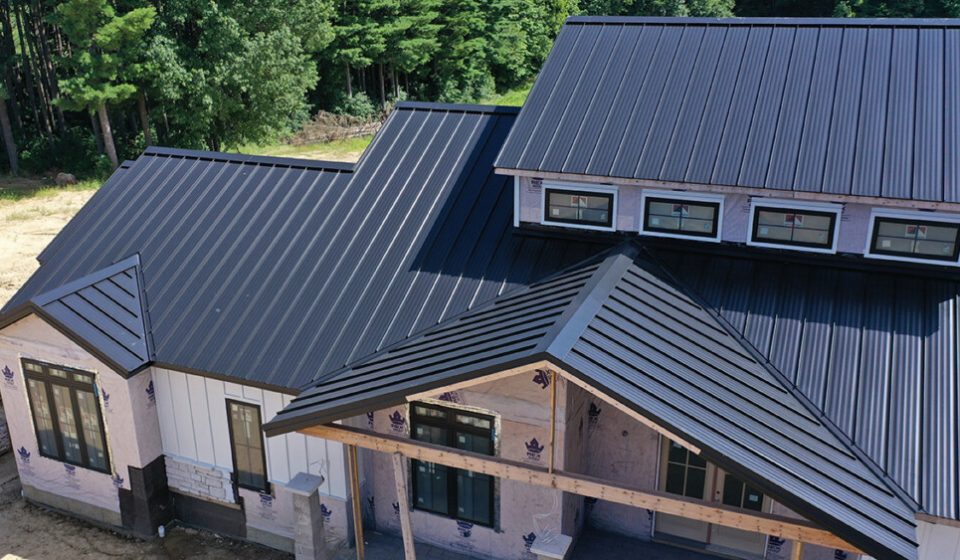
Standing seam uses long vertical panels with raised seams and hidden fasteners. It sheds weather best and works on low-slope roofs, but it costs the most. Metal shingles and stone-coated steel look like traditional roofing and cost less. They have more seams and overlaps, which means more spots to watch over time. Pick standing seam for performance. Pick shingle-style panels for curb appeal on a smaller budget.
Selecting the Right Metal Type and Protective Coating
Galvalume steel is the common choice. It’s affordable and holds up in dry air. Aluminum resists corrosion better and costs more. Copper and zinc sit at the premium end. For the finish, PVDF coatings keep their color longest. Cheaper polyester paints fade sooner. Ask for the paint warranty in writing, since it’s separate from the panel warranty.
Checking Roof Structure and Existing Roofing Conditions
Metal weighs less than tile, so most roofs can carry it. Still, someone should look at the decking and ventilation first. Soft spots, sagging, or poor attic airflow will shorten the life of any new roof. Some contractors install over one layer of shingles. Tearing off the old layer costs more, but it lets them see the wood underneath.
Choosing an Experienced Metal Roofing Contractor in the Tri-Cities
Ask how many metal roofs they installed last year. Ask whether they roll-form panels or order them in. Confirm the company is registered with Washington’s Department of Labor and Industries and carries insurance. Request local references and drive past a couple of their roofs. Avoid anyone who knocks on your door after a storm and can’t give you a local address.
Is Metal Roofing Worth the Investment for Your Home?
It’s worth it for homeowners who plan to stay and can handle the upfront cost.
Comparing Long-Term Costs and Expected Lifespan
Over several decades, asphalt shingles may need replacement more than once, while a quality metal roof can last much longer. Compare written estimates, expected service life, maintenance and replacement costs before deciding which option offers better value. Add lower cooling bills and the roof you don’t have to tear off again, and metal pulls ahead. Some insurers also offer discounts for impact-rated roofs, so ask your agent.
Considering Your Home’s Design and Roofing Needs
A simple gable roof costs far less to cover in metal than one packed with valleys, dormers, and skylights. Each extra angle means more cutting and more flashing. Think about the style of your street too. Metal may not match an older neighborhood, though many homeowners like the contrast.
Deciding Whether Metal Roofing Fits Your Budget and Priorities
If you want to install a roof once and forget about it, and you have the money, go with metal. If the budget is tight or you may sell soon, a good shingle roof with solid ventilation still makes sense. Ask contractors about financing too, because some offer payment plans that spread the cost.
Conclusion
Metal roofing suits this area. It handles the heat, wind, and dry air, and it outlasts shingles by a wide margin. You’ll pay more upfront and need a skilled installer, but the long-term numbers often work out. Weigh how long you’ll stay, what your roof looks like, and what you can spend today. If you’re ready to price out metal roofing Tri Cities, ask a local contractor for an inspection and a written quote.
Read More: https://firsthomemagazine.com/home/when-does-roof-valley-flashing-need-to-be-replaced/
Read More: https://villawhispers.com/how-do-you-choose-the-right-roofing-contractor-in-tri-cities-wa/