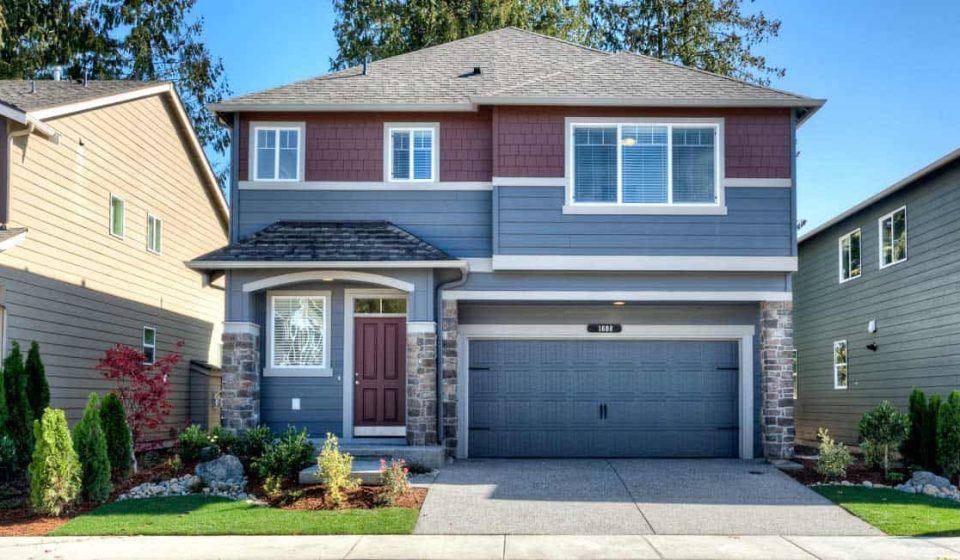

A house can look expensive or tired before anyone reaches the front door. That judgment often starts at the windows, where trim paint color decides whether the exterior feels finished, flat, crisp, dated, soft, or harsh. Many American homeowners spend weeks choosing siding, brick, stone, or shutters, then treat trim like a minor leftover decision. That is where curb appeal quietly falls apart. Window trim is the outline of the home’s face, and outlines control what the eye notices first. The right color can sharpen old vinyl windows, calm busy brick, warm up white siding, or make a plain ranch house feel intentional. For homeowners comparing finishes, palettes, and exterior upgrades, home improvement planning resources can help frame choices before money gets wasted on the wrong gallon. Good trim color does not shout. It edits the whole house until the windows finally look like they belong.
Choosing Trim Paint Color Around the Home’s Existing Surface
Exterior color decisions get easier when you stop treating trim as a separate decoration. The best trim choices come from the materials already sitting on the house: brick, siding, stone, roofing, gutters, porch floors, and even the color of the window glass after sunset. A color that looks perfect on a paint card can turn strange when it sits beside orange brick or weathered gray shingles.
Why Siding and Brick Should Lead the Decision
Siding sets the largest color field, so it deserves the first vote. A soft gray house can handle bright white trim because the contrast feels clean, while a deep navy house may need warm white or greige trim so the windows do not look icy. On many U.S. suburban homes, pure white trim became the default because it felt safe. Safe, though, does not always mean right.
Brick is less forgiving. Red brick often carries brown, purple, orange, or charcoal undertones, and the trim has to respect those hidden colors. A stark white outline around rusty brick can look too sharp, almost like paper cutouts glued onto the wall. Cream, putty, taupe, or muted charcoal often works better because it lets the brick stay rich without turning the windows into bright rectangles.
A good test is to hold the paint sample near the mortar, not the loudest brick. Mortar often tells you which direction the home already wants to go. If the mortar is beige, warm trim usually wins. If it is gray, cooler trim can feel more natural. That small detail saves people from choosing colors that fight the house from sunrise to dusk.
Reading Roof, Gutter, and Foundation Colors Correctly
The roof affects trim more than most homeowners expect. Asphalt shingles cover a huge visual area, especially on ranch homes, Cape Cod houses, and Craftsman bungalows. A black roof can support crisp contrast, while weathered brown shingles often need softer trim so the home does not feel split in half.
Gutters matter too because they often sit directly against the trim. White gutters on cream trim can look accidental if the whites are close but not close enough. Black gutters on dark trim can disappear in a good way, especially on modern farmhouse exteriors, but the same choice can feel heavy on a small cottage with narrow windows.
The foundation deserves a glance before final paint is bought. Many American homes have concrete block, painted masonry, exposed stone, or brick skirting near the ground. If the trim color ignores that lower band, the house can look top-heavy. A warm off-white trim with a taupe foundation feels settled. Bright white trim over a dull gray foundation may look unfinished, even when every brush line is perfect.
Building Contrast That Frames Windows Without Overpowering Them
Contrast is the part people notice first, but it is also the part most often overdone. Window trim should frame the glass and shape the architecture, not turn every opening into a loud border. The trick is not choosing the highest contrast. The trick is choosing the right level of contrast for the size, style, and age of the home.
When White Trim Helps and When It Looks Too Sharp
White trim earns its popularity because it works on many American homes. It makes windows look cleaner, lightens shaded porches, and gives simple siding a finished edge. On colonial homes, white trim can feel classic because the architecture already expects that formal contrast.
The problem starts when homeowners choose a cold, blue-based white without looking at the rest of the exterior. Against tan siding, warm stone, cedar shakes, or red brick, that white can look harsh. It may also make older windows look smaller because the bright frame steals attention from the glass. A softer white, cream, or pale greige often gives the same clean effect with less glare.
Sunlight changes the answer. A white that looks calm on the north side may glow on a west-facing wall in late afternoon. That is why paint chips taped near windows beat any online color chart. Exterior color lives outside, and outside light has no mercy.
How Dark Trim Creates Shape on Plain Exteriors
Dark trim can rescue a house that lacks detail. A flat beige or pale gray exterior may suddenly gain structure when the windows are framed in charcoal, deep bronze, black-green, or espresso brown. The home feels more grounded because the eye has somewhere to land.
This approach works well on modern farmhouses, midcentury ranch homes, mountain cabins, and renovated split-level houses. Black window trim has become common across the U.S., but it still needs discipline. If the house has tiny windows, too much black can make them feel like holes instead of features. Larger windows, divided panes, and broad trim boards usually handle dark colors better.
A counterintuitive move can work beautifully: dark trim does not always need dark shutters. On some homes, removing shutters and letting the dark window trim stand alone looks cleaner. Fake shutters that do not match the window scale often make the exterior feel cluttered. Paint cannot fix every design problem, but it can reveal which pieces no longer belong.
Matching Window Trim to American House Styles
Style does not mean the house needs to look trapped in the past. It means the trim color should understand the bones of the architecture. A Craftsman bungalow, Florida stucco home, New England colonial, and Texas brick ranch all ask different things from window trim. The mistake is applying one trend to every house and hoping the result feels custom.
Traditional Homes Need Softer Discipline
Colonial, Cape Cod, Tudor, and Georgian homes often look best when trim supports symmetry. White, cream, muted gray, deep green, and black all can work, but the finish should feel controlled. These homes usually have window patterns that create rhythm, so trim color should sharpen that rhythm instead of interrupting it.
A two-story colonial with red brick and black shutters may look polished with warm white trim. Swap that trim for a trendy beige-gray, and the house may lose its clean historic line. On the other hand, a pale yellow Cape Cod near the coast may look better with creamy white trim than bright white because salt air, weathered shingles, and soft landscaping all lean gentler.
Tudor homes require more caution. The trim often connects visually with dark beams, steep rooflines, and textured masonry. Cream or warm taupe can keep the home from feeling too heavy, while dark brown trim may honor the style if the siding or stucco is light enough. The point is restraint. Traditional homes punish random color choices fast.
Modern and Transitional Homes Can Handle Cleaner Edges
Modern homes give trim more room to act like a design line. Black, graphite, bronze, and warm white can all frame windows beautifully when the siding is smooth, the roofline is simple, and the landscaping stays edited. The trim can become part of the geometry instead of a decorative border.
Transitional homes sit in the middle, which is where many newer U.S. subdivisions land. They mix stone veneers, vinyl siding, board-and-batten, porch posts, and mixed roof pitches. These homes often need trim to calm the number of materials. One consistent trim color across windows, fascia, and porch details can make the house feel more expensive because the eye stops jumping from feature to feature.
A useful rule is to let modern trim have cleaner contrast, but not random contrast. Black trim on white siding works because the relationship is clear. Black trim against tan siding, brown stone, red mulch, and bronze gutters may feel less planned. In that case, deep bronze or soft black-brown can look richer than pure black.
Testing Exterior Trim Colors Before Committing
Paint samples feel like a small step, but they protect the whole project. Exterior paint costs more than the can price once labor, ladders, prep work, caulk, primer, and weather delays enter the picture. A trim mistake is also harder to ignore than a wall color mistake because it repeats around every window.
Why Small Paint Chips Lie Outdoors
Tiny paint chips often fail because they do not show how color behaves at scale. A creamy white may look dull on a card, then perfect across a full window frame. A charcoal chip may look bold in the store, then soften outside under direct sunlight. Scale changes color because more surface catches more light.
Testing should happen on poster board or sample panels placed beside different windows. Check one sunny side, one shaded side, and one area near brick, stone, or porch material. A color that works in all three places is far more trustworthy than one that only looks good by the front door.
Morning and evening matter. Many homeowners choose trim at noon and regret it later because the house looks different after work, when they actually see it. Warm evening light can turn cream yellow, gray green, and black brown. That shift is not a flaw. It is the real color showing its range.
Finish, Sheen, and Prep Change the Final Look
Trim paint usually needs more durability than siding paint because edges, sills, and window casings take rain, dust, sun, and repeated cleaning. Satin and semi-gloss finishes remain common because they shed dirt better and highlight architectural detail. Still, too much shine can expose uneven old wood or sloppy caulk lines.
Prep work controls whether the final color feels sharp or cheap. Scraped paint, repaired rot, sanded edges, clean caulk, and the right primer matter as much as the shade. Dark colors show bad prep faster because every ridge casts a small shadow. Light colors hide more, but they still fail if moisture sits behind peeling trim.
A smart painter will ask about the existing material before quoting. Wood trim, fiber cement, PVC, aluminum, and previously painted vinyl all behave differently. Vinyl can warp if painted too dark with the wrong product. Older wood may need extra sanding or spot primer. This is where the prettiest palette meets the boring truth: color only looks good when the surface is ready to carry it.
Making the Final Color Choice Feel Intentional
A strong exterior palette should feel connected from the curb, not assembled one decision at a time. Window trim carries more visual weight than people expect because it repeats across the whole elevation. Each frame either supports the home’s architecture or adds another distraction. That is why the final choice should come after you study siding, brick, roof, gutters, foundation, light, and window size together. The best trim paint color is not always the boldest, whitest, darkest, or trendiest choice. It is the one that makes the windows feel settled, the materials feel connected, and the house feel cared for before a guest steps onto the porch. Start with two or three serious samples, test them in real light, and judge them from the street as much as from the front steps. Choose the color that improves the whole house, not the one that wins on a tiny card.
Frequently Asked Questions
What is the best exterior trim color for red brick houses?
Warm white, cream, taupe, charcoal, and muted black often work well with red brick. The best choice depends on the brick’s undertone and mortar color. Orange-red brick usually prefers warmer trim, while deeper burgundy brick can handle cooler gray or black accents.
Should window trim be lighter or darker than siding?
Window trim can be lighter or darker than siding, but it should create clear purpose. Lighter trim brightens and softens the house, while darker trim adds shape and drama. Low-contrast trim feels calmer, and high-contrast trim draws more attention to window placement.
What exterior trim colors make windows look bigger?
Light trim usually makes windows appear larger because it expands the visual edge around the glass. Warm white, soft cream, pale gray, and light greige can help small windows feel more open, especially when the siding color sits in a medium or dark range.
Is black window trim still popular for homes?
Black window trim remains popular, especially on modern farmhouse, contemporary, and updated ranch homes. It works best when the home has enough window size, clean siding, and simple exterior details. On small or busy houses, softer dark bronze may look more balanced.
How do I match trim color with shutters?
Trim and shutters do not have to match. Trim usually frames the window, while shutters add contrast or style. Many homes look better with lighter trim and darker shutters. If shutters are decorative and poorly sized, removing them may improve the exterior more than repainting them.
What paint finish is best for exterior window trim?
Satin and semi-gloss finishes are common for exterior window trim because they resist dirt and moisture better than flat paint. Satin feels softer and hides small flaws better. Semi-gloss gives a crisper look but can reveal rough wood, old caulk, or uneven repairs.
Can I paint vinyl window trim a dark color?
Some vinyl trim can be painted dark, but only with paint made for vinyl-safe exterior use. Dark colors absorb heat and may cause warping if the product is wrong. Check the manufacturer’s guidance first, especially on newer windows with warranty limits.
How many trim colors should a house exterior have?
Most homes look best with one main trim color and one accent color for doors or shutters. Too many trim colors can make the exterior feel busy. Larger historic homes may handle more variation, but simple homes usually gain curb appeal from restraint.